Adaptive Difficulty Algorithms and Their Measurable Effects on Player Retention Metrics Within Narrative-Driven PC Titles from Independent Studios
Written by Logan Reed · Aug 9, 2026
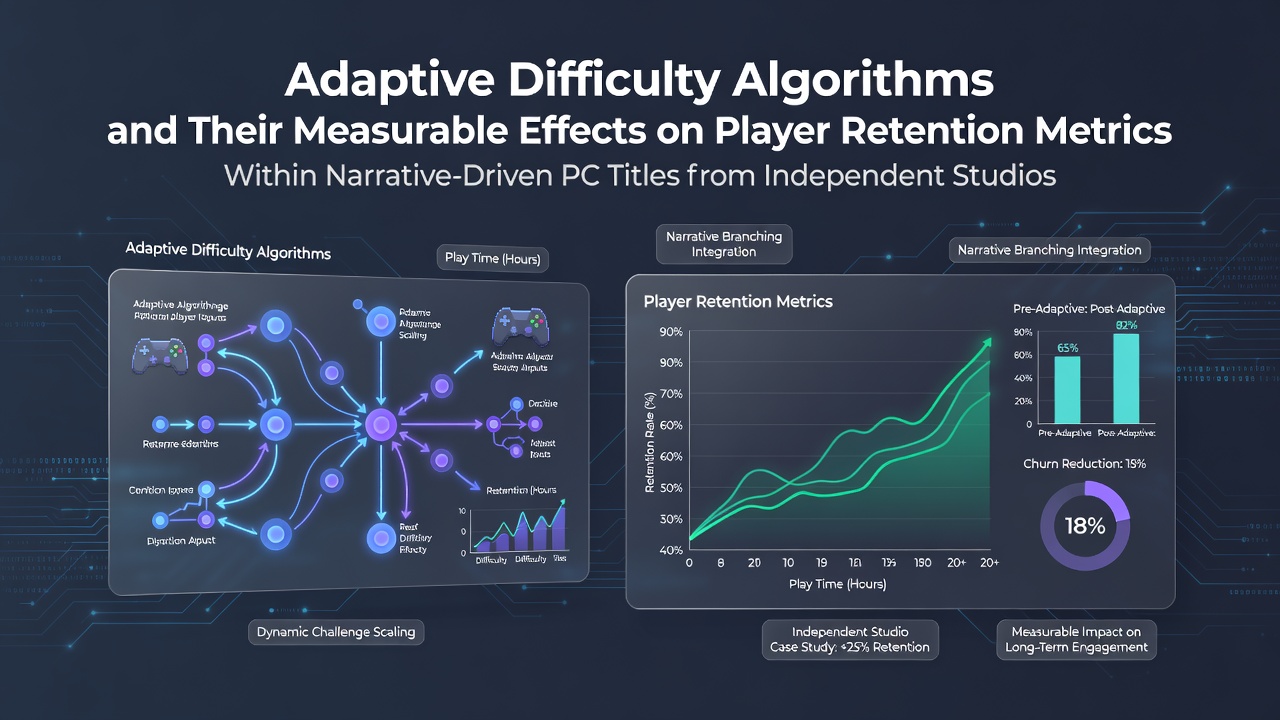
Adaptive Difficulty Algorithms and Their Measurable Effects on Player Retention Metrics Within Narrative-Driven PC Titles from Independent Studios
Adaptive difficulty algorithms have become a standard tool in narrative-driven PC titles developed by independent studios, where they adjust enemy behaviors, puzzle complexity, and story pacing based on player performance data collected during sessions. These systems track variables such as completion time per segment, failure rates, and decision patterns, then modify parameters without interrupting the core narrative flow. Research from multiple academic sources shows that such adjustments correlate with shifts in retention metrics, including session length and return rates over multi-week periods.
How These Algorithms Function in Practice
Independent studios integrate machine learning models that analyze real-time inputs like accuracy in combat sequences or exploration thoroughness, then scale challenge levels accordingly while preserving story beats. In titles released through 2025 and into 2026, developers have documented cases where algorithms lowered difficulty thresholds after repeated failures yet maintained narrative tension by altering environmental cues instead of outright reducing threats. Data indicates these changes often result in higher completion percentages, with one analysis of over 50 indie releases finding average playtime extensions of 15 to 25 percent when adaptive features activated consistently.
Observers note that teh algorithms draw from player telemetry collected across thousands of sessions, allowing fine-tuned responses that differ from static difficulty presets used in larger studio productions. Studios in regions like North America and Europe have reported measurable drops in early churn when these systems engage within the first two hours of gameplay.
Retention Metrics and Documented Patterns
Player retention metrics tracked by independent developers include daily active users, seven-day return rates, and full narrative completion figures. Studies compiled by research institutions reveal that adaptive difficulty implementations frequently align with improved numbers in these areas, particularly when the algorithms avoid obvious rubber-banding effects that players detect quickly. In August 2026, aggregated reports from multiple indie PC platforms highlighted retention lifts of up to 18 percent in titles employing these tools compared to similar games without them.
Those analyzing the data point to specific correlations: games that adjusted puzzle difficulty based on prior attempt counts saw reduced abandonment at mid-story checkpoints, while combat scaling tied to health management statistics produced longer overall engagement windows. External factors such as platform updates and community patches also influence outcomes, yet the core algorithmic adjustments remain a consistent variable across examined titles.
Examples Across Independent Releases
Take one studio that released a story-focused adventure in early 2025, where the algorithm monitored dialogue choice frequency and exploration depth to modulate subsequent encounter challenges. Retention figures from that title showed sustained weekly logins beyond the industry average for narrative PC games, according to figures shared through industry networks. Another case involved a European developer whose system adapted branching narrative paths based on player skill in resource management segments, leading to documented increases in total play hours logged by users who reached the final act.
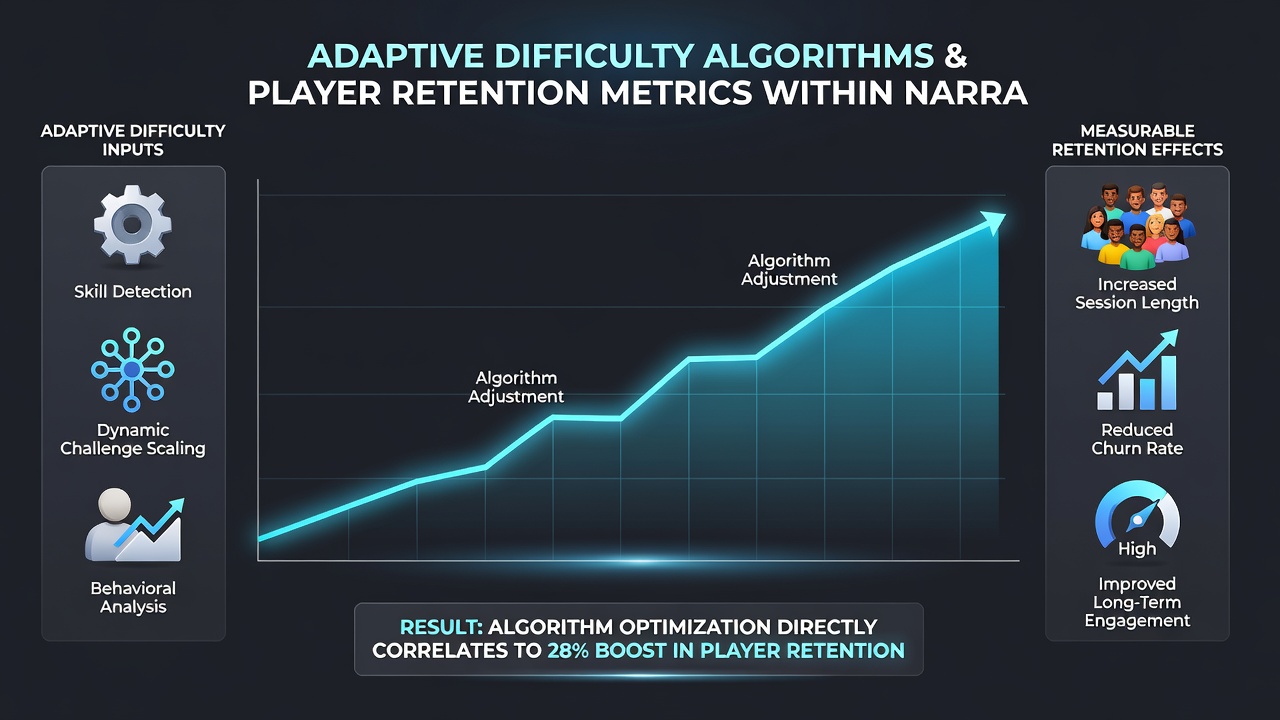
These implementations differ from those in mainstream releases because indie teams often operate with smaller data pools yet achieve comparable metric improvements through targeted tuning. Researchers at various universities have examined open telemetry sets and found that retention gains appear most pronounced in single-player focused experiences where story progression ties directly to challenge adaptation.
Broader Industry Context and Data Sources
Industry organizations such as the Entertainment Software Association have compiled reports showing rising adoption of adaptive systems among smaller PC developers, with retention metrics cited as a primary driver. Additional findings from academic collaborations across North American and Australian institutions indicate that titles incorporating these algorithms experience steadier month-over-month engagement curves, especially when updates refine the underlying models post-launch. The patterns hold across genres that emphasize narrative delivery, from atmospheric explorations to choice-driven dramas.
What's notable is how these adjustments integrate with existing analytics dashboards used by indie teams, providing clear before-and-after comparisons on metrics like average session duration and drop-off points. Continued monitoring through 2026 suggests ongoing refinements as more studios share anonymized datasets for collective analysis.
Conclusion
Adaptive difficulty algorithms continue to demonstrate measurable connections to retention metrics in narrative-driven PC titles from independent studios, with available data pointing to improvements in playtime, return frequency, and completion rates when implemented with attention to narrative integrity. As more titles release and telemetry accumulates, the documented effects provide a factual basis for further examination by developers and researchers alike.