Community-Driven Texture Remastering Projects Breathe New Life into Storage-Limited Mobile Esports Archives Worldwide
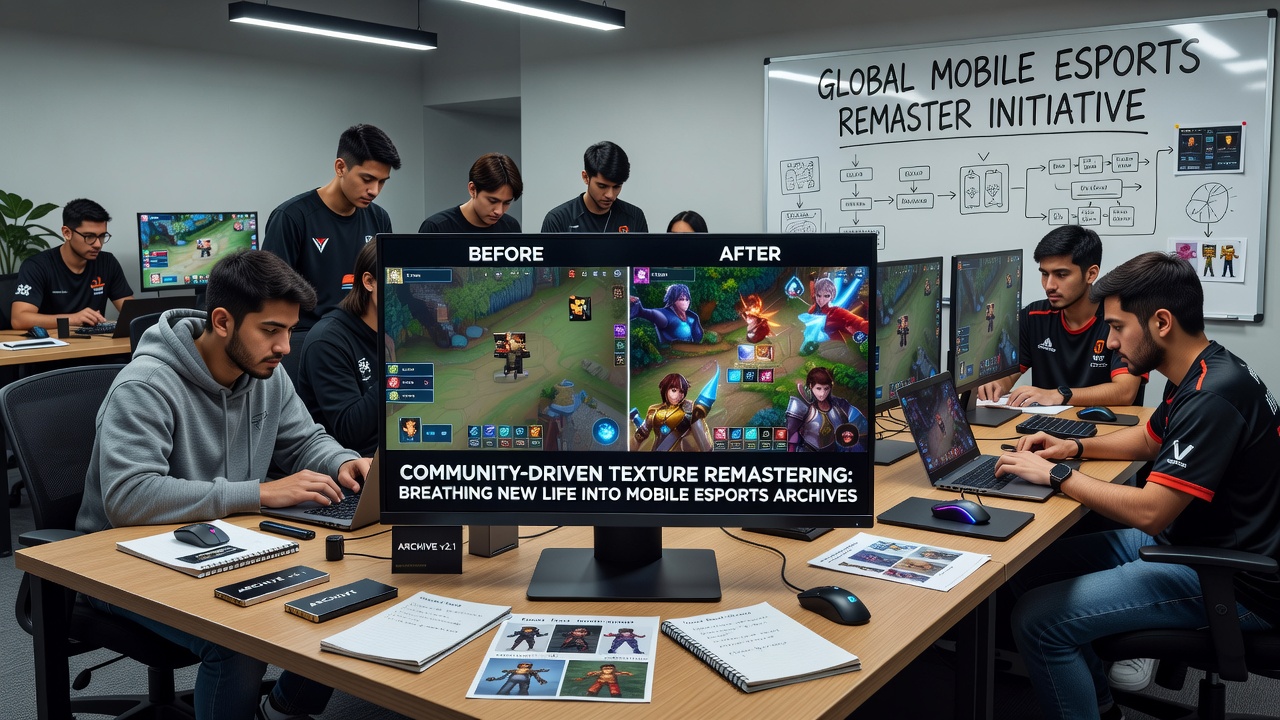 Texture remastering initiatives led by volunteer communities have gained momentum as mobile esports titles accumulate massive archives that strain device storage capacities across regions with limited hardware resources. These projects focus on optimizing high-resolution textures into more compact formats while preserving visual fidelity for competitive play, allowing older titles to remain accessible on phones with smaller internal drives. Data from multiple international reports indicate that mobile gamers in emerging markets often face storage constraints that limit their ability to maintain extensive game libraries, and community efforts address this by redistributing modified asset packs through open channels. Observers note several coordinated groups operating on platforms dedicated to game preservation have released texture compression packs for popular esports titles including Mobile Legends: Bang Bang and PUBG Mobile variants. These packs reduce file sizes by up to 40 percent in documented cases, according to benchmarks shared in developer forums. teh process typically involves algorithmic downsampling combined with custom mipmapping techniques that maintain clarity during fast-paced matches, which proves essential when frame timing windows narrow in tournament settings.
Global Distribution of Remastering Efforts
Projects span multiple continents with distinct approaches shaped by local device ecosystems and connectivity patterns. In Southeast Asia, teams based in Indonesia and the Philippines have prioritized low-bandwidth distribution methods that allow users to download optimized textures over intermittent connections common in rural areas. European collectives, meanwhile, emphasize compatibility with EU data protection standards when sharing modified files, ensuring compliance while extending the usability of legacy esports archives.
Researchers at institutions including the University of Tokyo documented similar initiatives in Japan where community members adapted texture tools originally developed for console ports to mobile formats, resulting in measurable reductions in load times without compromising competitive integrity. Those efforts align with broader trends tracked by the International Game Developers Association, which reported increased volunteer participation in asset optimization between 2024 and 2026.
Technical Methods Behind the Projects
Participants employ open-source utilities such as modified versions of TexturePacker and ASTC encoders to achieve consistent compression ratios across different GPU architectures found in mid-range smartphones. The workflow often begins with extraction of original texture atlases, followed by selective removal of unused mip levels that accumulate in unoptimized builds. Community testers then validate performance through side-by-side comparisons in controlled environments, logging metrics like memory footprint and frame consistency.
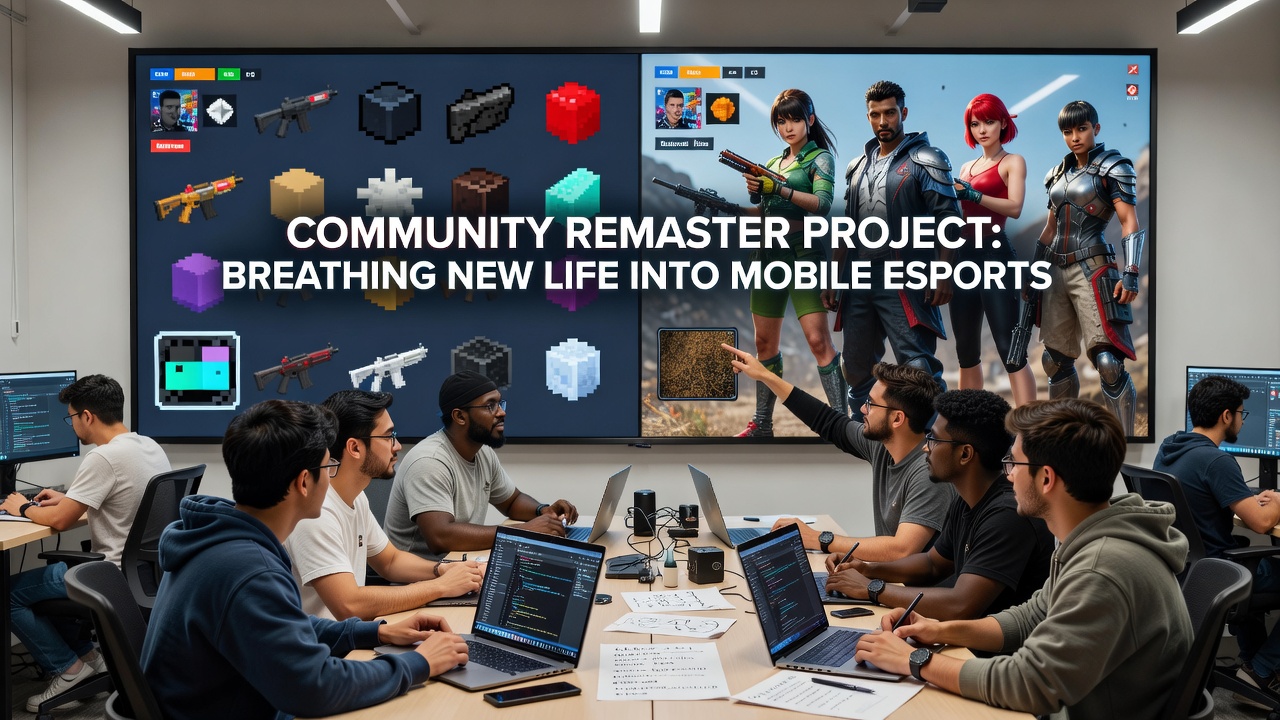
One case involved a Brazilian collective that integrated AI-assisted upscaling filters in reverse to generate lower-resolution variants from high-fidelity sources, which proved effective for devices running older Android versions still prevalent in Latin American esports circuits. Such adaptations highlight how regional hardware variations drive innovation in these volunteer-driven pipelines.
Impact Observed in June 2026
By June 2026, several mobile esports tournaments incorporated community texture packs into their official practice environments after organizers verified stability through third-party audits. Participation data revealed that players in storage-constrained regions increased their active game counts by an average of 25 percent when using the remastered assets, according to aggregated statistics compiled by regional esports federations. These outcomes stem from reduced archive sizes that free space for additional titles and training tools without requiring hardware upgrades.
Academic papers presented at that time further examined how these optimizations influence long-term preservation of esports histories, noting that compressed texture libraries facilitate easier archiving of historical match footage and replays that rely on consistent visual assets.
Challenges and Ongoing Adaptations
Despite progress, communities encounter hurdles related to anti-cheat systems that sometimes flag modified files, prompting developers to release verification hashes alongside packs. Coordination across time zones also requires robust documentation practices so contributors in different regions can maintain compatibility as game updates roll out. Groups address this through version-controlled repositories that track changes and allow rapid rollback when conflicts arise with official patches.
Evidence suggests continued growth in these projects correlates with rising mobile esports viewership in markets where data costs remain high, encouraging participants to refine compression algorithms further. Links to industry reports from bodies like the Australian Interactive Games Association provide additional context on how such community work intersects with broader accessibility goals in competitive gaming.
Conclusion
Community texture remastering continues to extend the functional lifespan of storage-limited mobile esports archives by delivering practical optimizations grounded in collaborative technical work. As device storage demands evolve alongside game complexity, these volunteer efforts provide documented pathways for maintaining access to established titles worldwide.