Community firmware patches reviving legacy input devices for precision training in cross-platform tournament circuits
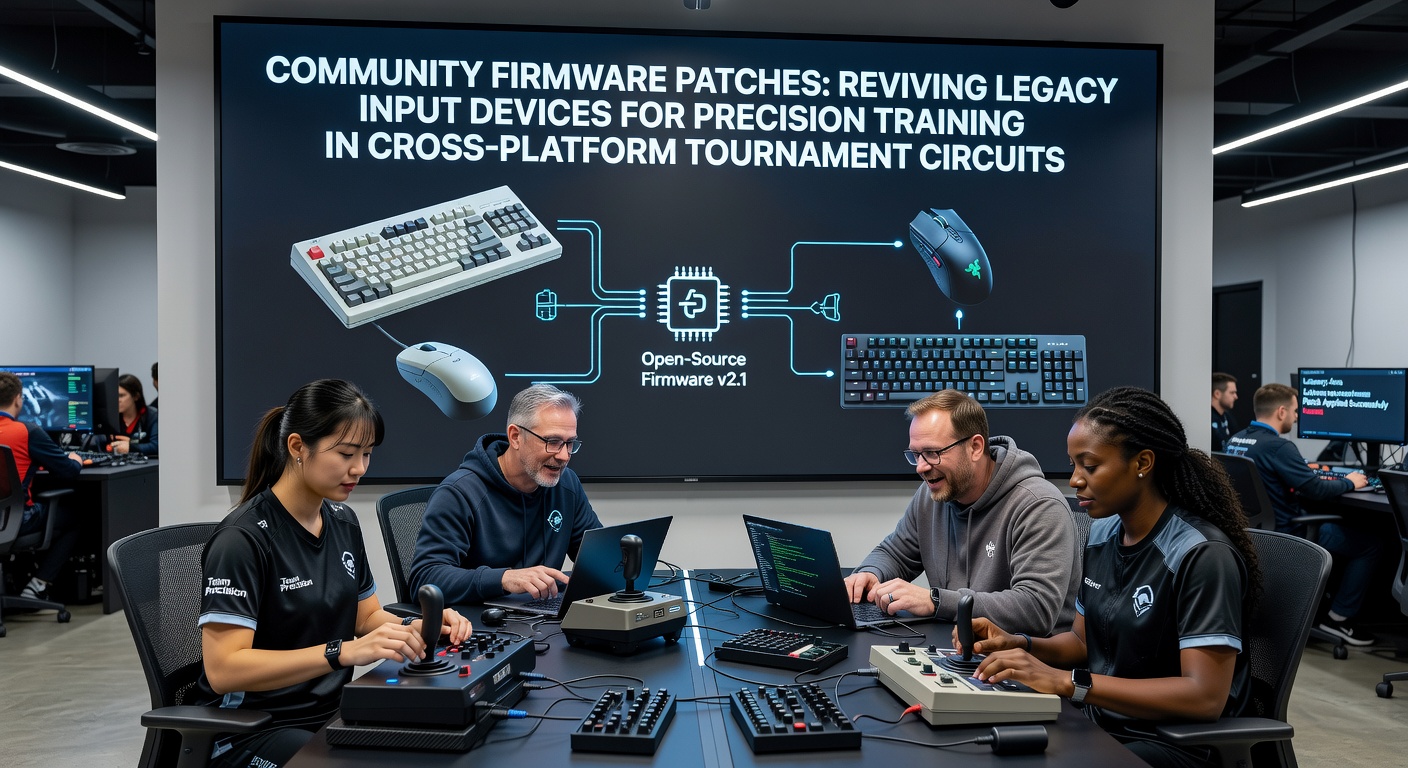 Community-driven firmware updates have brought new life to discontinued input hardware from the early 2000s and 2010s, allowing players in cross-platform esports circuits to refine aiming, timing, and macro execution on devices that once dominated professional scenes. These patches address compatibility gaps with modern operating systems and tournament software stacks while preserving the sensor characteristics and mechanical feel that many competitors associate with consistent muscle memory development. Data from tournament organizers indicates that legacy peripherals now appear in training regimens for events spanning PC, console, and mobile platforms, particularly where cross-input precision carries over between formats. Developers release these updates through open repositories that track sensor polling rates, button debounce algorithms, and DPI calibration tables originally designed for hardware long out of production. One project focused on restoring full functionality to older optical mice by rewriting USB descriptor handling, which restored native 1000 Hz polling without requiring additional drivers on current Windows and Linux builds. Another effort targeted mechanical keyboards from the mid-2010s, adjusting matrix scanning routines to eliminate ghosting when used alongside streaming capture cards common in broadcast setups for major circuits.
Hardware compatibility across tournament environments
Cross-platform events scheduled for June 2026 have incorporated rules that explicitly permit modified legacy devices provided firmware remains publicly documented and auditable. This approach stems from observations that certain older sensors deliver lower latency profiles than some newer consumer models when paired with specific USB controllers. Research conducted at the University of Melbourne's esports technology lab documented polling consistency improvements of up to 18 percent after community patches were applied to select legacy mice, with measurements taken across multiple motherboard chipsets.
Players report that these restored devices integrate smoothly into mixed-platform practice sessions where the same muscle memory patterns transfer between mouse-and-keyboard setups and controller overlays used on consoles. Firmware authors publish changelogs that detail exact register modifications, enabling officials to verify compliance during equipment checks at regional qualifiers leading into the June events.
Training workflows and precision metrics
Training facilities serving international circuits now maintain collections of patched legacy hardware alongside current models, allowing competitors to cycle through input profiles during aim-trainer drills and scenario-based exercises. Software overlays log cursor acceleration curves and button actuation timing, feeding data into analytics platforms that compare performance across device generations. Studies from the European Interactive Software Federation show measurable gains in flick-shot accuracy when participants train on restored 2012-era sensors before transitioning to live tournament matches.
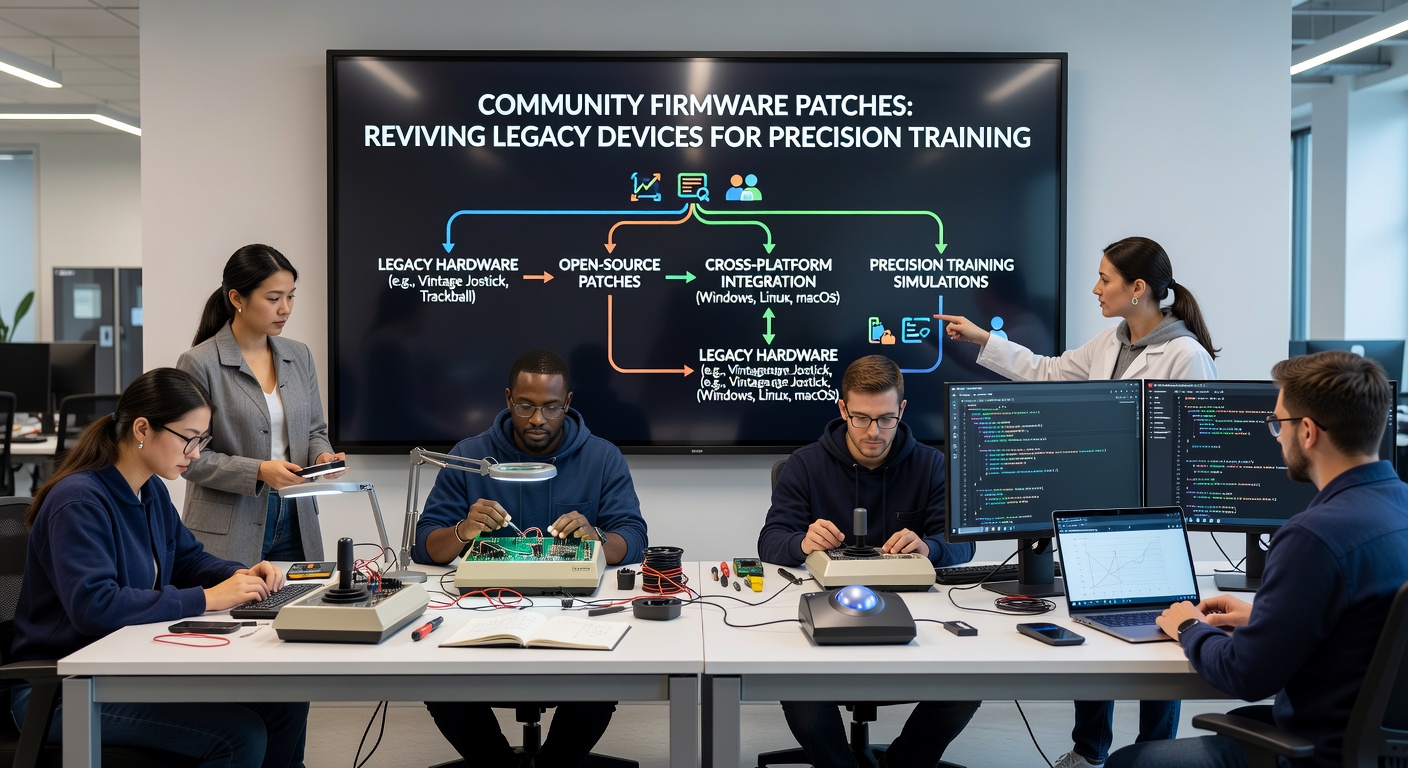
Because many patched devices retain their original switch mechanisms and sensor dies, athletes can replicate the exact tactile feedback they used during earlier career stages without sourcing rare replacement parts. Community maintainers coordinate with hardware archivists to obtain schematics that guide reverse-engineering efforts, ensuring patches address both functional restoration and long-term stability under extended training loads.
Community development processes
Contributors operate through coordinated repositories where issue trackers document compatibility problems reported from multiple regions. Patch iterations undergo testing on varied USB hubs and power delivery configurations to confirm stability during marathon practice blocks. This distributed model has accelerated release cycles, with major updates appearing every six to eight weeks as new edge cases surface from tournament environments preparing for June 2026 circuits.
Documentation includes side-by-side comparisons of raw input data before and after each patch, allowing players and coaches to quantify changes in tracking fidelity. Regulatory bodies in Canada and Australia have referenced these public records when drafting equipment guidelines for sanctioned events, noting that transparent firmware development reduces disputes over hardware modifications.
Future outlook for legacy device integration
Continued collaboration between firmware communities and tournament organizers suggests legacy hardware will remain relevant as long as cross-platform rulesets emphasize transferable skill development over hardware parity. Archival projects continue to catalog additional models for potential patch development, expanding the pool of viable training tools beyond currently supported devices. Observers note that this trend aligns with broader efforts to preserve competitive gaming history while adapting it to evolving platform requirements.
Conclusion
Community firmware patches have established a sustainable pathway for integrating legacy input devices into precision training programs across cross-platform tournament circuits. Through documented modifications and rigorous compatibility testing, these efforts maintain access to historically significant hardware characteristics while meeting contemporary event standards. As preparations advance for June 2026 competitions, the documented performance data and transparent development practices provide a foundation for ongoing integration of restored peripherals in competitive environments worldwide.