Community-Led Reverse Engineering of Legacy Graphics APIs Fuels Classic PC Game Ports to Modern Mobile Devices
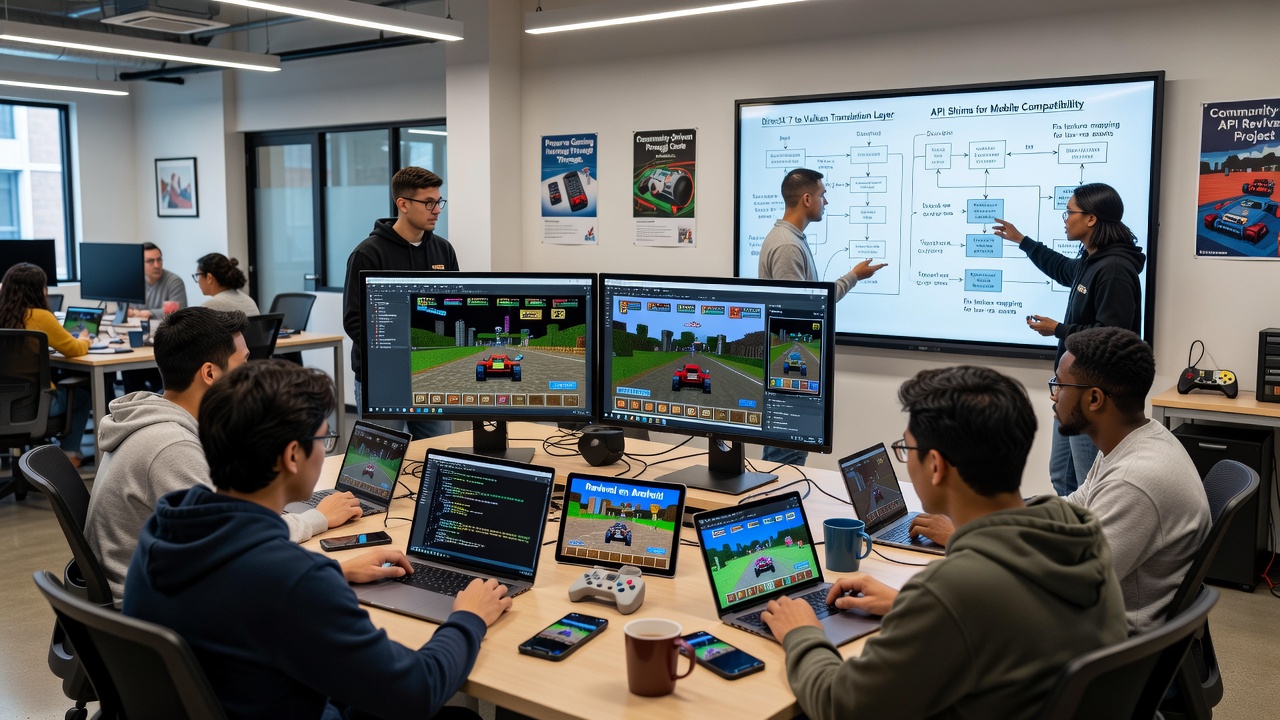
Community developers have spent years dissecting closed-source graphics interfaces from the 1990s and early 2000s, creating translation layers that map calls from APIs such as DirectDraw and early OpenGL to contemporary mobile renderers including Vulkan and Metal. These efforts allow titles originally built for Windows 95 through XP hardware to execute on ARM-based smartphones and tablets without native source code access. Data from open repositories shows dozens of such translation projects active as of mid-2026, with several reaching stable release stages during June 2026 testing cycles.
Technical Foundations Behind the Translation Work
Reverse engineering begins with static and dynamic analysis of binary executables, followed by reconstruction of function signatures and state machines that once drove fixed-function pipelines. Teams document register writes, texture upload sequences, and shader emulation paths, then implement equivalent behavior on programmable mobile GPUs. One long-running initiative mapped Direct3D 7 vertex buffers to Vulkan command buffers, enabling several real-time strategy games from the late 1990s to maintain original frame pacing on mid-range Android devices. Observers note that success depends on exhaustive test suites covering edge cases in fog tables, palette animations, and multi-texture blending modes.
Key Projects and Their Mobile Outcomes
Projects such as DX-to-Vulkan wrappers and OpenGL ES compatibility layers have produced runnable builds for games including classic first-person shooters and simulation titles. A European-led group released an updated compatibility shim in spring 2026 that corrected depth buffer precision issues, allowing higher-resolution rendering on 120 Hz displays common in current flagships. Another North American collective focused on DirectDraw surface locking, which restored color-keyed transparency effects in several 2D adventure games now running at native mobile refresh rates. Figures from project trackers indicate cumulative downloads exceeding 1.2 million across major distribution platforms by June 2026.
Challenges Encountered During Mobile Adaptation
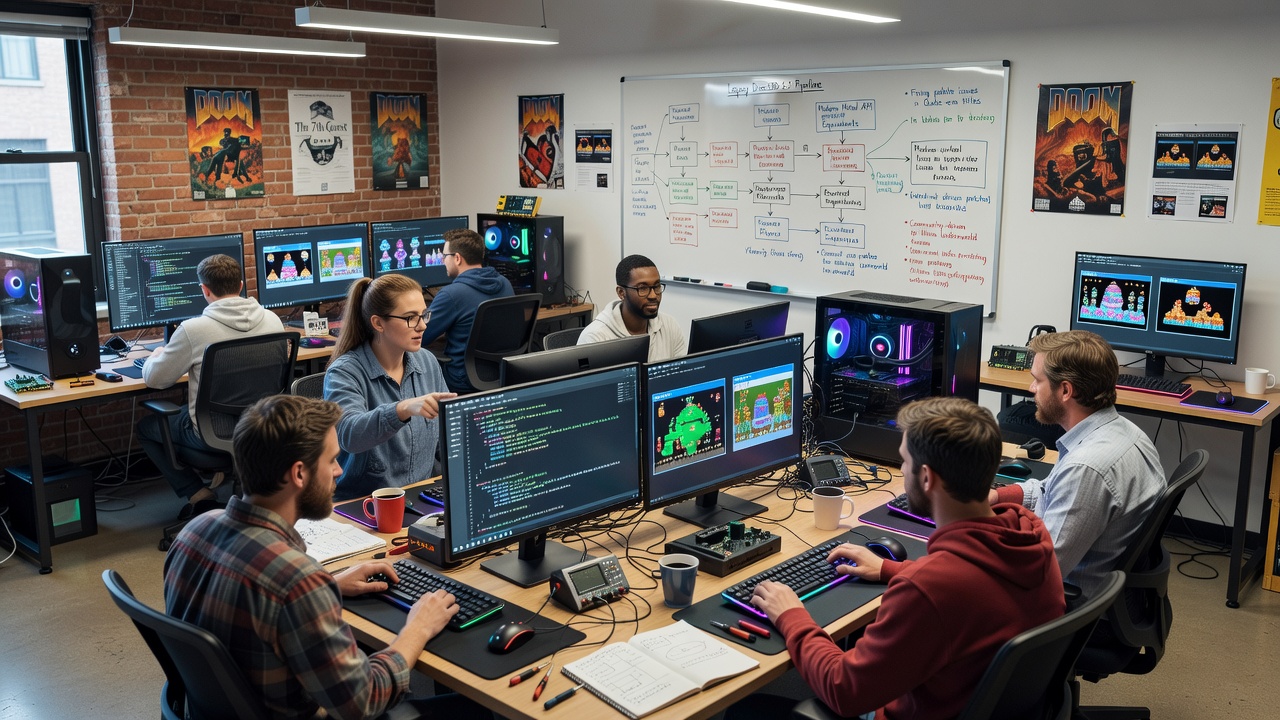
Mobile GPUs impose strict memory alignment rules and lack certain legacy extensions that desktop hardware once provided, forcing developers to insert runtime conversion passes for indexed color modes and stencil operations. Thermal throttling on sustained loads further requires dynamic resolution scaling that the original titles never anticipated. Research published by teams at the University of Waterloo documented how careful command buffer batching reduced CPU overhead by up to 35 percent in translated workloads. Meanwhile, an industry report from the Interactive Software Federation of Europe highlighted ongoing coordination between hobbyist groups and device vendors to expose additional extension points in future Android and iOS releases.
Distribution and Preservation Impact
Once translation layers reach sufficient stability, community members package the results with original game data into installable archives that users sideload or obtain through curated storefronts. Preservation archives maintained by nonprofit organizations now list over 180 classic PC titles confirmed playable on at least one contemporary mobile platform thanks to these layers. Licensing remains a separate concern, yet the technical groundwork continues independently of commercial rights holders. In June 2026 several projects added automated detection for common anti-cheat hooks left over from multiplayer patches, reducing false-positive crashes during single-player sessions.
Future Directions and Ongoing Documentation
Work continues on higher-level abstractions that could support geometry shaders and early compute features still absent from many mobile drivers. Community documentation repositories host detailed register maps and timing diagrams that new contributors use to accelerate onboarding. Cross-platform testing matrices now include foldable devices and tablets with variable refresh panels, ensuring consistent behavior across form factors. A forthcoming academic preprint from Australian researchers examines cache coherency differences between desktop and mobile implementations, providing quantitative guidance for future optimization passes.
Conclusion
Community reverse-engineering of legacy graphics APIs has produced measurable, reproducible results that place decades-old PC software on current mobile hardware. Continued releases throughout 2026 demonstrate sustained progress in compatibility coverage and performance tuning. These projects operate alongside official emulation frameworks yet focus specifically on API fidelity rather than full system simulation, carving out a distinct niche in game preservation efforts worldwide.