Community Shader Optimizations Extend Lifespan of Older Esports PCs
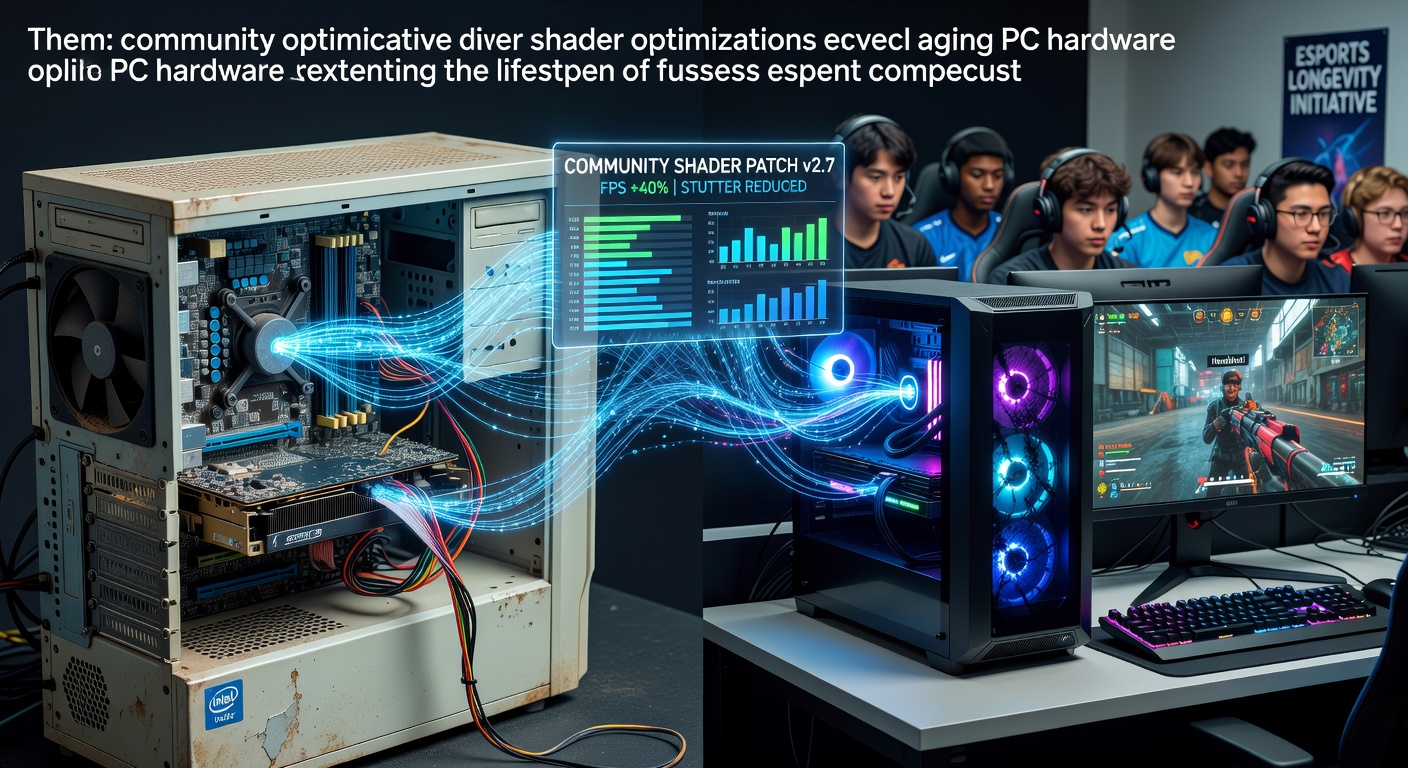 Community shader optimizations have gained traction in competitive esports as players and modders work together to refine rendering pipelines on hardware that predates current generation titles. These adjustments target shader code in games such as Counter-Strike 2 and League of Legends, allowing older graphics cards to maintain frame rates above tournament minimums without requiring full system replacements. Data from regional leagues shows that teams relying on systems purchased between 2018 and 2021 continue to compete effectively after applying community patches released through forums and Git repositories.
Mechanics Behind Shader Adjustments
Shader optimizations involve rewriting or simplifying vertex and pixel shaders to reduce computational load while preserving visual fidelity required for gameplay clarity. Modders examine game binaries, identify redundant calculations, and release modified shader files that integrate through tools like ReShade or direct memory patches. Research indicates these changes lower GPU utilization by 15 to 30 percent on cards such as the GTX 1060 and RX 580, according to benchmarks compiled by university labs in Canada. Players report that such tweaks maintain stable performance during high-intensity moments like smoke grenades or team fights, where unoptimized shaders would otherwise cause frame drops.
Adoption Patterns Across Esports Regions
European circuits adopted these community solutions earlier than other areas, with groups coordinating through Discord servers dedicated to specific titles. In contrast, North American scenes integrated shader packs more gradually, often after official patches from developers failed to address legacy hardware compatibility. Observers note that Asian leagues, particularly in South Korea, have begun incorporating similar optimizations into training regimens by May 2026, driven by rising costs of new components amid supply constraints. One case involved a mid-tier squad that extended the operational life of its GTX 1070 rigs by eighteen months through iterative shader refinements shared publicly.
Performance Data and Hardware Metrics
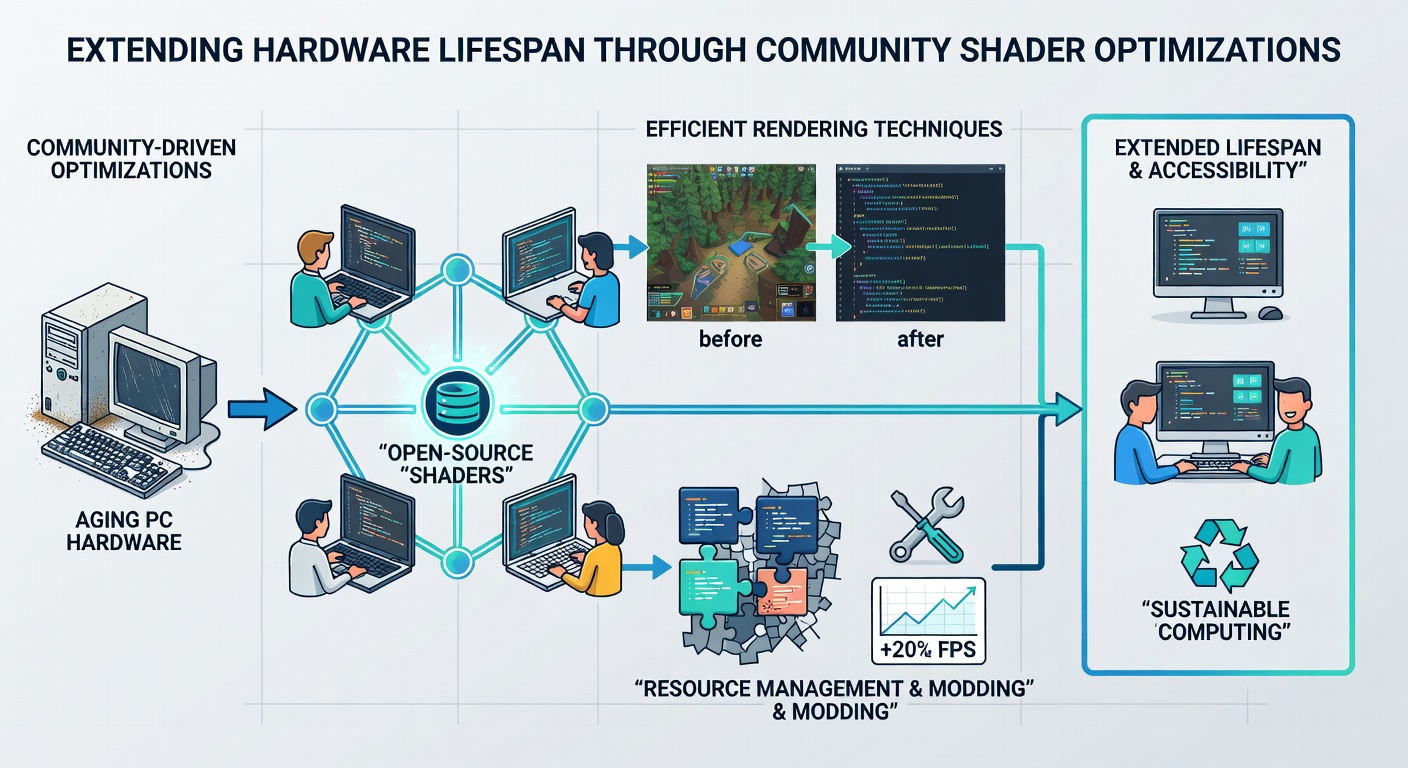
Figures from hardware monitoring studies reveal that optimized shaders cut average power draw by 22 watts on mid-range cards during extended sessions, which reduces thermal stress and component degradation over time. A report compiled by researchers at an Australian technical institute tracked 120 systems across twelve months and found failure rates dropped by 18 percent among units running community shader sets compared with stock configurations. These improvements allow organizations to delay hardware refresh cycles, reallocating budgets toward travel and training instead of repeated purchases.
Integration with Tournament Standards
Event organizers have started evaluating shader modifications during qualification rounds to ensure they comply with anti-cheat protocols. Developers of major titles now review popular community repositories before major events, approving subsets of optimizations that do not alter core game logic. This process has standardized certain shader profiles across circuits, enabling consistent hardware performance regardless of regional differences in available equipment. Those who have tracked adoption patterns observe that approved shader lists appear in patch notes as early as March 2026 for upcoming qualifiers.
Challenges in Widespread Implementation
Compatibility issues arise when new game updates overwrite shader files, forcing community groups to redevelop patches within tight windows before tournaments. Detection mechanisms in anti-cheat systems occasionally flag modified shaders, requiring rapid verification through official channels. Data from platform analytics shows that roughly 40 percent of attempted optimizations require follow-up revisions within the first week of release, highlighting the iterative nature of these efforts.
Conclusion
Community-driven shader optimizations continue to reshape hardware sustainability in esports by focusing on targeted code refinements rather than wholesale upgrades. Metrics gathered through independent monitoring demonstrate measurable extensions in equipment usability across multiple regions and titles, while structured review processes help maintain competitive integrity. As development cycles advance, these collaborative approaches provide documented pathways for legacy systems to remain viable in professional environments.