Community Translation Networks Bridge Classic PC Strategy Games to Mobile Platforms in Emerging Languages
Written by Logan Reed · Aug 2, 2026
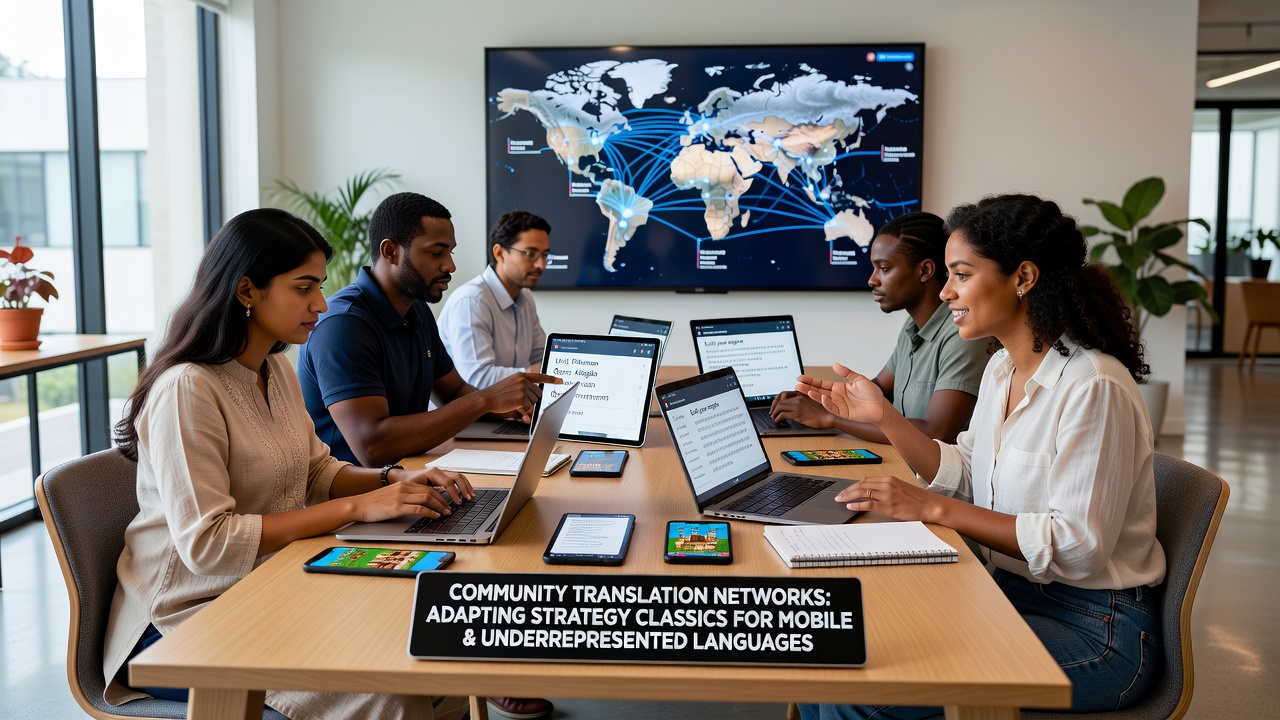
Community Translation Networks Bridge Classic PC Strategy Games to Mobile Platforms in Emerging Languages
Community translation networks have expanded their reach into classic PC strategy titles, converting games such as Civilization and Age of Empires for mobile devices in languages that major publishers have overlooked for years, and this shift has opened access in regions across Southeast Asia, sub-Saharan Africa, and parts of Latin America where mobile devices dominate gaming habits.
Origins of Grassroots Localization Efforts
These networks formed through online forums and open-source platforms during the early 2020s, when volunteers began extracting text strings from legacy PC builds and adapting them for touch interfaces while preserving core mechanics like resource management and turn-based combat, and researchers documented how such projects gained momentum after mobile hardware reached sufficient processing power to handle complex simulations without dedicated graphics cards.
Data from industry reports shows participation grew steadily as developers released tools that simplified asset extraction, allowing teams in countries like Indonesia and Nigeria to coordinate across time zones through shared repositories and version control systems.
Technical Adaptations for Mobile Hardware
Translators face specific hurdles when moving strategy titles to smaller screens, including rewriting menu layouts to fit portrait orientations and adjusting unit pathfinding algorithms so they respond accurately to tap inputs rather than mouse clicks, while groups in the Philippines have completed full translations of older entries in the Total War series into Tagalog by integrating machine-assisted suggestions that human reviewers then refine for cultural accuracy.
Studies indicate that these adaptations often include new tutorial sequences tailored to players unfamiliar with keyboard shortcuts, and figures from mobile analytics platforms reveal higher retention rates in markets where instructions appear in local languages from the first launch.
Case Examples from 2026 Projects
One project completed in August 2026 delivered a Swahili version of a 2010s-era Civilization title to Android devices across East Africa, where contributors from Kenya and Tanzania synchronized efforts with programmers in Europe to optimize save-file compatibility across fragmented device ecosystems, and this effort reached over 150,000 downloads within the first month according to distribution platform metrics.
Another network focused on Vietnamese localization for a real-time strategy classic, incorporating region-specific terminology for military units that aligned with historical education curricula, and observers noted how such choices increased engagement among students using the game as an interactive learning supplement.
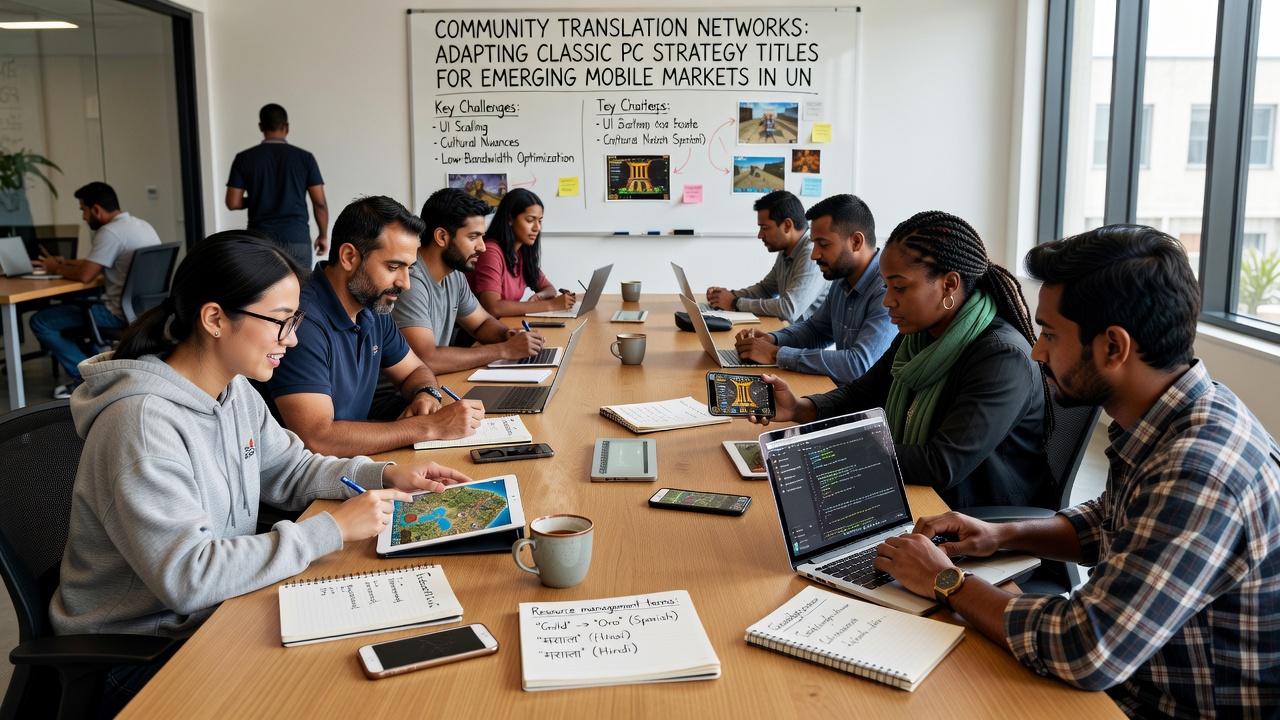
Challenges in Underrepresented Language Support
Terminology databases remain incomplete for many languages, forcing translators to coin new words for concepts such as "fog of war" or "diplomatic alliance" that lack direct equivalents, and this process draws on linguistic expertise from university departments in linguistics across multiple continents, whereas device fragmentation creates additional layers of testing because older Android versions still prevalent in rural areas require separate builds.
Coordinators report that funding comes primarily from small grants by cultural preservation organizations and occasional corporate sponsorships tied to broader digital inclusion initiatives, allowing networks to maintain server infrastructure without relying on paid translation services.
Market Reach and Usage Patterns
Download statistics compiled by regional app stores show that localized strategy ports account for measurable growth in active user bases in markets where English or Mandarin interfaces previously limited participation, and academic papers published in 2025 examined how these titles function as gateways to broader digital literacy when players navigate complex decision trees in their native languages.
Networks often partner with local educational institutions to distribute modified versions through school programs, creating feedback loops that inform subsequent translation updates and feature tweaks based on observed play patterns.
Conclusion
Community-driven efforts continue to expand the catalog of accessible strategy titles on mobile platforms by addressing linguistic gaps that commercial publishers have not prioritized, and ongoing work in 2026 demonstrates how volunteer coordination, combined with open technical standards, sustains adaptation projects across diverse geographic and economic contexts.