Examining How Digital Distribution Platforms Have Transformed Game Accessibility for Players in Remote Areas
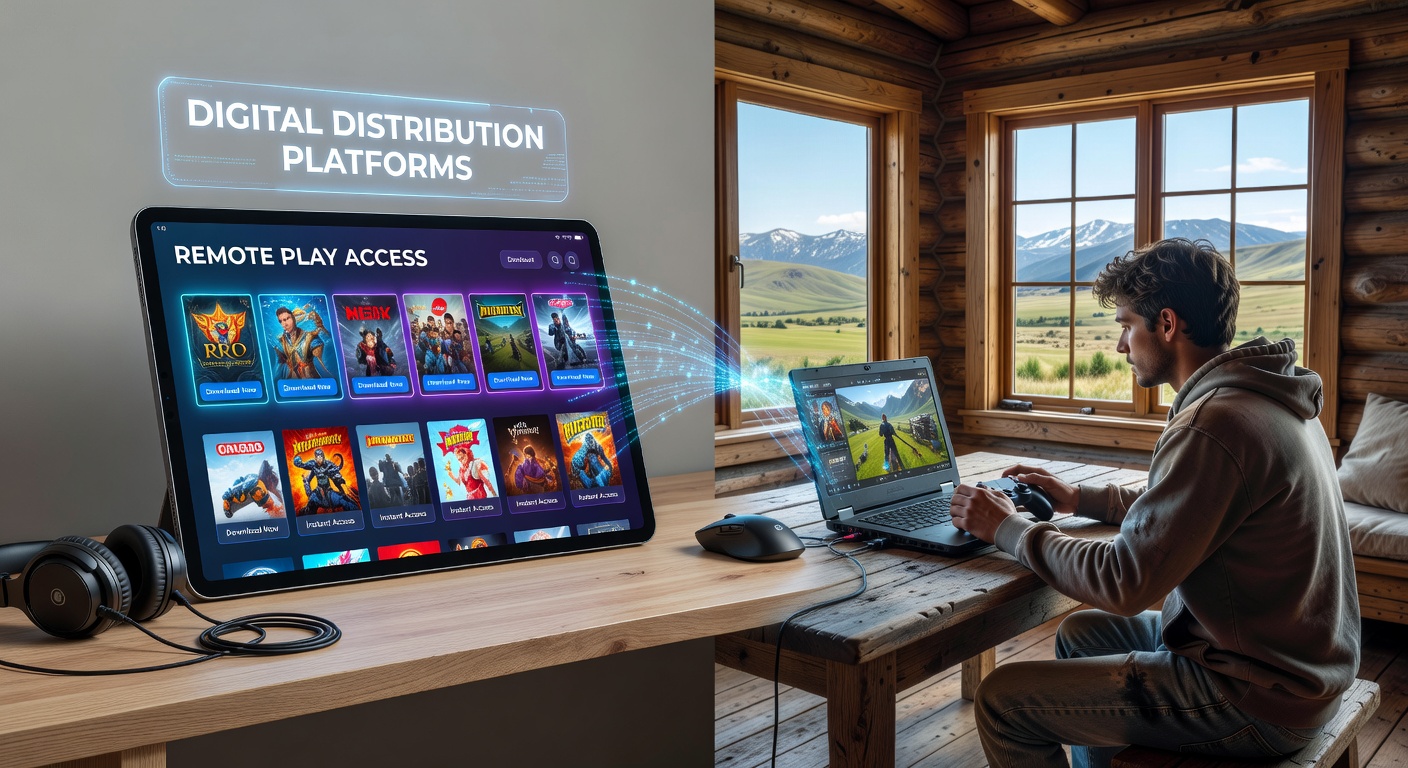
Digital distribution platforms have reshaped how games reach players who live far from traditional retail outlets, and this shift shows up clearly in regions where physical stores remain scarce or nonexistent. Platforms such as Steam, the Epic Games Store, and Xbox Cloud Gaming deliver titles directly through internet connections, which removes the need for shipping discs or cartridges across long distances. Observers note that this model grew steadily through the 2010s and continued expanding into 2026, with developers releasing patches and new content simultaneously worldwide rather than staggering availability by geography.
The Move Away from Physical Media
Physical game copies once required supply chains that struggled in isolated communities, yet digital storefronts bypass those logistics entirely. Data from industry reports indicate that by early 2025 more than 80 percent of PC game sales occurred through online platforms, and console ecosystems followed similar patterns once broadband reached additional rural zones. Researchers at several universities tracked how download speeds above 25 megabits per second now support full game installs within a few hours even in locations that previously waited weeks for mail-order deliveries.
Players in northern Canada and parts of rural Australia gained earlier access to major releases because updates no longer depended on regional distributors stocking shelves. Government statistics from Innovation, Science and Economic Development Canada highlight rising household internet penetration in remote territories, which directly correlates with higher participation rates on digital platforms.
Infrastructure Improvements Supporting Remote Access
Broadband expansion projects and low-earth-orbit satellite services have supplied the necessary backbone for these platforms to function reliably. Starlink and similar networks began serving thousands of households in Alaska and the Australian outback by 2024, and continued rollouts through May 2026 further reduced latency for multiplayer sessions. Those connections allow users to join live servers without the interruptions that once made competitive play impractical.
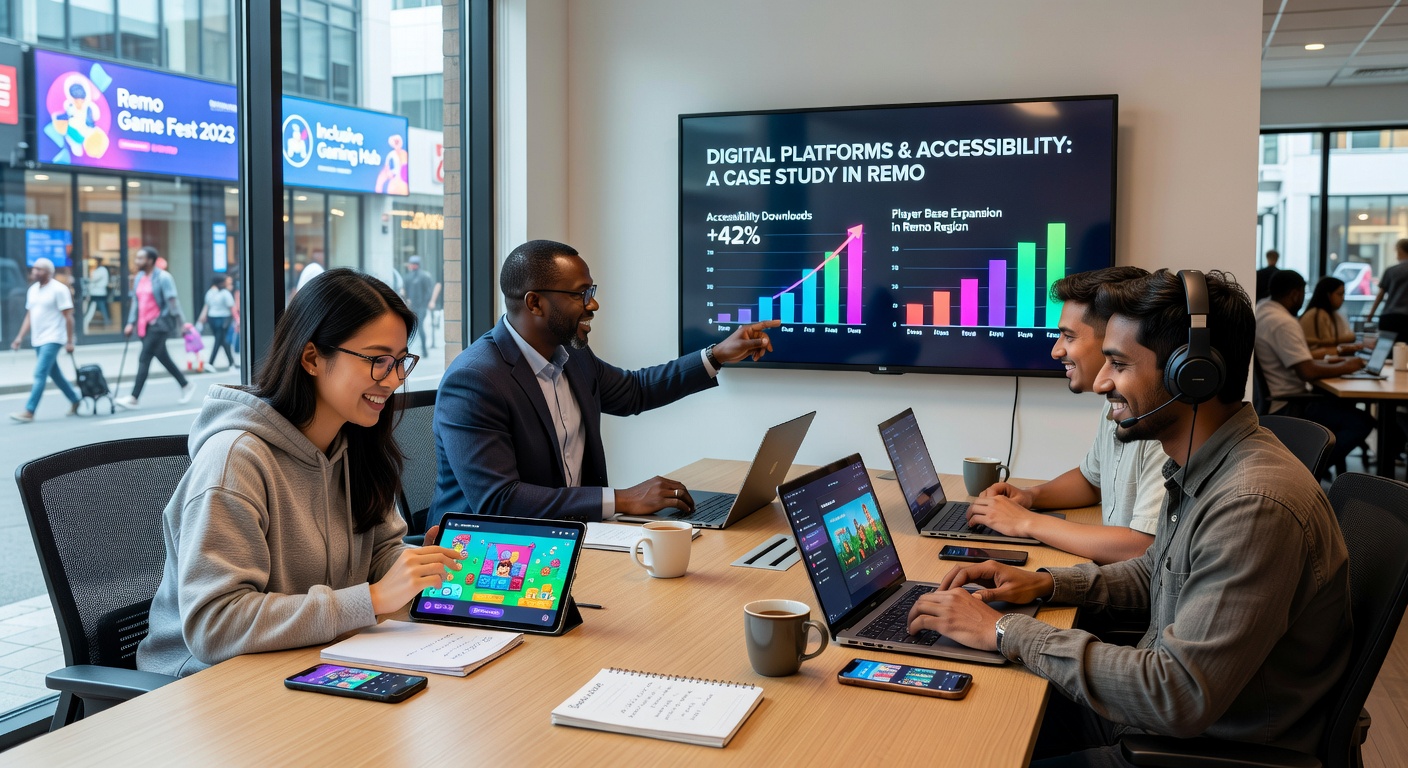
Industry analysts point out that digital storefronts also introduced features like cloud saves and cross-device progression, which benefit travelers or residents who relocate between areas with varying connectivity. One study from the Australian Bureau of Communications, Arts and Regional Research found that households using satellite internet reported a 35 percent increase in time spent on digital entertainment compared with five years earlier, largely driven by gaming downloads.
Platform-Specific Features That Aid Isolated Users
Steam introduced regional pricing adjustments and smaller download bundles for slower connections, while the Epic Games Store offered frequent free titles that lowered overall costs. Xbox Game Pass for PC extended cloud streaming options to areas where large file transfers remain challenging. These tools collectively lowered barriers that once kept remote players from participating in seasonal events or limited-time challenges.
Observers tracking usage patterns note that digital platforms also host user-generated content and mod communities, which thrive when files transfer directly rather than through physical media. Players in sparsely populated regions contribute to and benefit from these shared libraries without needing specialized hardware beyond a stable link.
Addressing Remaining Connectivity Gaps
Despite progress, some communities still face data caps or inconsistent signals that limit large downloads. Platform developers responded by adding pause-and-resume functions plus offline modes for single-player campaigns. Educational outreach from regional governments encourages households to schedule updates during off-peak hours, which reduces congestion on shared satellite links.
Figures released by the International Telecommunication Union in late 2025 showed continued investment in 5G backhaul and community Wi-Fi hubs, both of which extend digital game access to schools and libraries in isolated villages. Such shared facilities allow multiple residents to experience recent releases without individual high-speed subscriptions.
Conclusion
Digital distribution platforms have expanded game availability to remote players by replacing physical logistics with direct internet delivery, supported by ongoing infrastructure gains and platform optimizations. Continued improvements in connectivity and service features keep this transformation active as of May 2026, connecting previously underserved communities to global gaming ecosystems through straightforward download mechanisms and adaptive tools.