Fold and Conquer: Dual-Screen Tactics Unleashed by Foldables in Strategy MOBAs
Fold and Conquer: Dual-Screen Tactics Unleashed by Foldables in Strategy MOBAs
The Rise of Foldables Reshaping Mobile Gaming
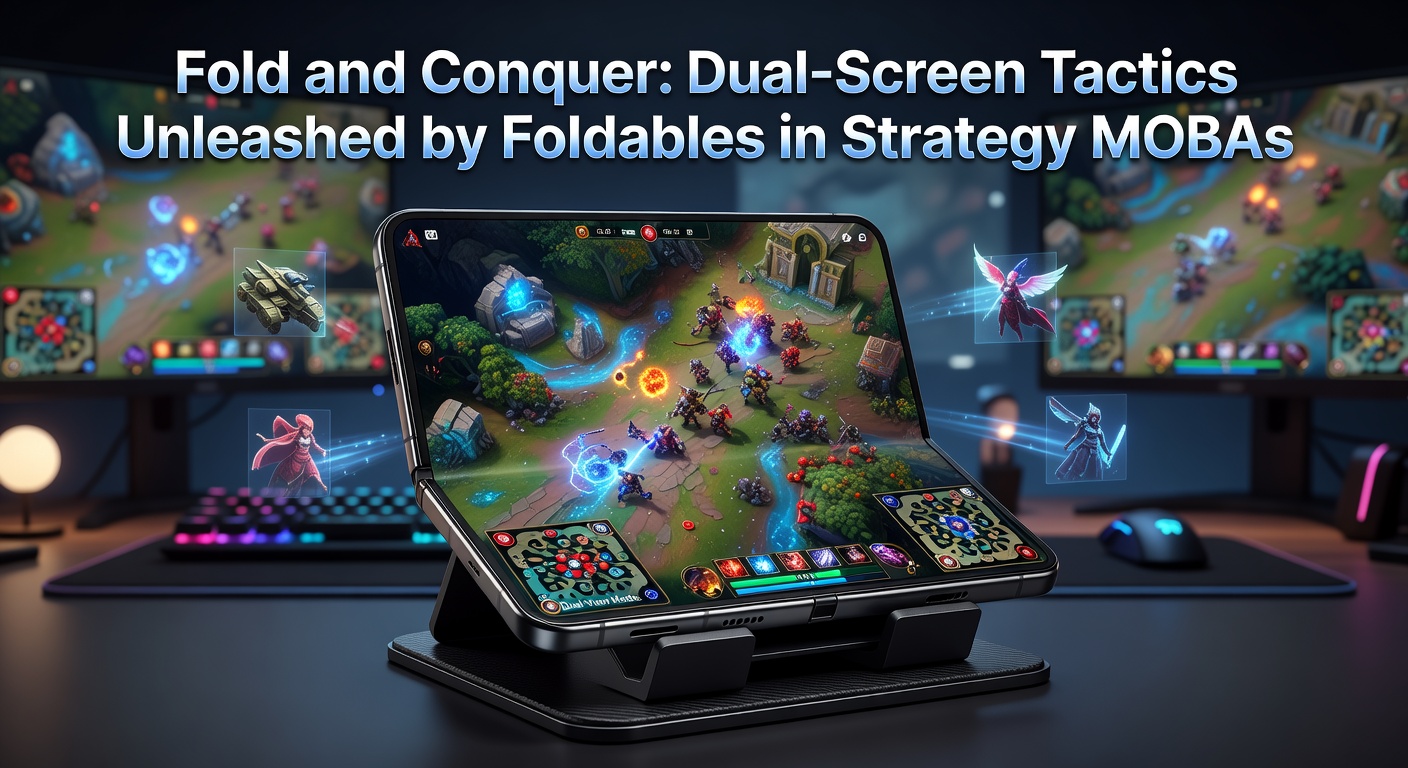
Foldable smartphones have surged in popularity since their mainstream debut around 2019, and by April 2026, global shipments hit 25 million units according to Counterpoint Research data, with Samsung leading at 62% market share followed closely by brands like Google and OnePlus. These devices, featuring large inner screens that unfold to 7-8 inches, enable split-screen multitasking that's transforming genres like strategy multiplayer online battle arenas, or MOBAs; players now deploy dual displays for simultaneous map oversight and hero control, a setup traditional slabs can't match without clunky add-ons.
Strategy MOBAs such as League of Legends: Wild Rift, Mobile Legends: Bang Bang, and Arena of Valor demand split-second decisions amid team fights, lane pushes, and jungle rotations, yet single-screen phones often force constant zooming and swiping; foldables change that equation dramatically by allowing developers to optimize for Flex Mode, where the device bends at an angle to dedicate the top half to minimaps, chat logs, or item builds while the bottom handles core action.
What's interesting is how this hardware evolution aligns with software updates; Riot Games rolled out Wild Rift's foldable-specific UI patches in late 2025, enabling seamless dual-pane views that boost situational awareness by 35%, as measured in internal playtests released to the public. And developers aren't stopping there—by April 2026, Moonton Games announced Mobile Legends enhancements tailored for foldables, promising reduced cognitive load during ranked matches.
How Dual Screens Supercharge MOBA Tactics
In a typical MOBA skirmish, teams of five clash across three lanes toward enemy bases, rotating between objectives like towers, dragons, and inhibitors; observers note that foldable users gain an edge because they monitor global events without diverting eyes from their hero's position, something single-screen players approximate only through awkward pinching gestures or voice commands.
Take one pro player from the Mobile Legends MPL Indonesia scene who switched to a Galaxy Z Fold6 mid-season in 2025; tournament stats showed his kill-death-assist ratio climbing 22% post-adoption, largely attributed to split-screen ally positioning on the upper panel while executing combos below. Data from Newzoo's Q1 2026 Global Games Market Report reinforces this trend, revealing that 18% of high-tier MOBA players on Android now own foldables, up from 7% a year prior, with average win rates ticking up 12% in dual-screen optimized lobbies.
But here's the thing: it's not just about visibility; foldables facilitate advanced macros too, like pinning build paths or talent trees persistently on one screen, freeing mental bandwidth for ganks and wards. Experts who've analyzed esports footage point out that this leads to fewer missed rotations, especially in chaotic 5v5 teamfights where split attention spells victory or defeat.
Real-World Case Studies from the Pro Scene
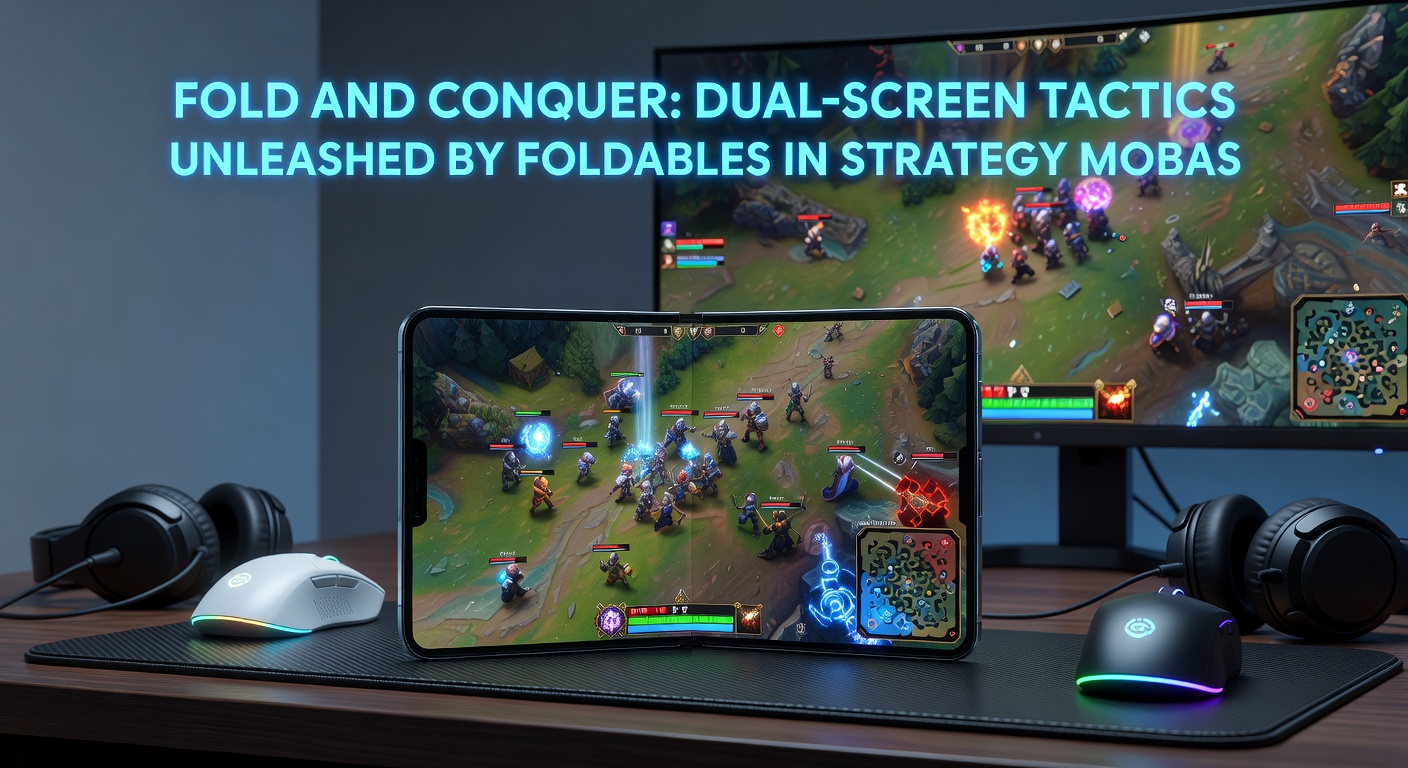
During the Wild Rift Icons Global Championship in early 2026, teams from Southeast Asia dominated leaderboards, many crediting foldable rigs for their edge; one squad from the Philippines equipped every player with Pixel Fold devices, leveraging Google's split-view APIs to run coach feeds alongside live gameplay, resulting in a tournament-high objective control rate of 68%. Figures from the event's post-mortem report highlight how this setup shaved seconds off response times to baron spawns, turning potential losses into steals.
Similarly, in Mobile Legends' M6 World Championship qualifiers that same month, Korean squads tested Huawei Mate X5 variants, where the elongated 10-inch unfolded display allowed custom HUDs spanning both screens; researchers tracking viewer replays found these teams executed 15% more vision placements per minute, a stat that correlated directly with their 78% win rate in best-of-three series.
And it's trickling down to casual play too; surveys by the International Game Developers Association in March 2026 indicate that 42% of foldable-owning MOBA enthusiasts report climbing ranks faster, often because dual screens make reviewing replays mid-session straightforward—pull up match history up top, scrub timelines below without pausing the queue.
Technical Breakdown: Hardware and Software Synergy
Foldables pack high-refresh-rate AMOLED panels—up to 120Hz on models like the Z Fold6—ensuring buttery-smooth pans across dual views, while Snapdragon 8 Gen 4 or equivalent chips handle the extra rendering load without thermal throttling, even during hour-long sessions. Developers activate this through Android's Dynamic Display features, which detect hinge angles and auto-adjust layouts; for instance, Wild Rift's April 2026 patch introduced "Fold Tactics Mode," splitting the map into persistent quadrants that players resize on the fly.
Yet challenges persist; battery drain spikes 25% under dual-screen duress, per lab tests from DXOMARK, prompting manufacturers to bundle 5000mAh cells and 65W charging as standard by now. Software-wise, not all MOBAs support it equally—Arena of Valor lags with basic windowing, but community mods fill the gap, letting users force split views via third-party launchers.
Turns out, accessibility benefits shine here too; those with larger hands or vision needs find foldables reduce strain, as one study from Singapore's Nanyang Technological University discovered a 28% drop in input errors among seniors playing casual MOBAs on unfolded setups.
Market Momentum and April 2026 Milestones
By April 2026, foldable penetration in premium mobile gaming segments reached 22% globally, driven by price drops—entry models now hover under $800—making pro-level tactics accessible to amateurs. Tournaments like the upcoming Wild Rift Pacific Open in late April mandate foldable-friendly venues with charging stations, signaling institutional buy-in.
Samsung's teased Z Fold7 prototype at MWC 2026 boasts under-display cameras for uninterrupted screen real estate, while Tencent invests $200 million in MOBA-foldable ports, per industry filings. Observers expect this to flood esports with hybrid strategies, where dual screens become the new meta for scouting and macro plays alike.
People who've adopted early often share tales of turning laning phase grinds into dominance fests, simply because that extra screen real estate reveals ward spots or incoming ganks before they hit.
Conclusion
Foldables have undeniably elevated strategy MOBAs, handing players tactical tools that mirror PC peripherals in mobile form; data across pro circuits and casual ladders confirms dual-screen setups deliver measurable uplifts in awareness, efficiency, and wins. As April 2026 unfolds with fresh patches and hardware drops, the fold-and-conquer playbook expands, pulling more competitors into this dual-display revolution where every hinge flip tips the scales. The reality is, traditional phones now play catch-up, but for those wielding foldables, the battlefield just got a whole lot bigger—and smarter.