How Peripheral Customization Kits Are Reshaping Input Precision Across Mobile Esports Circuits
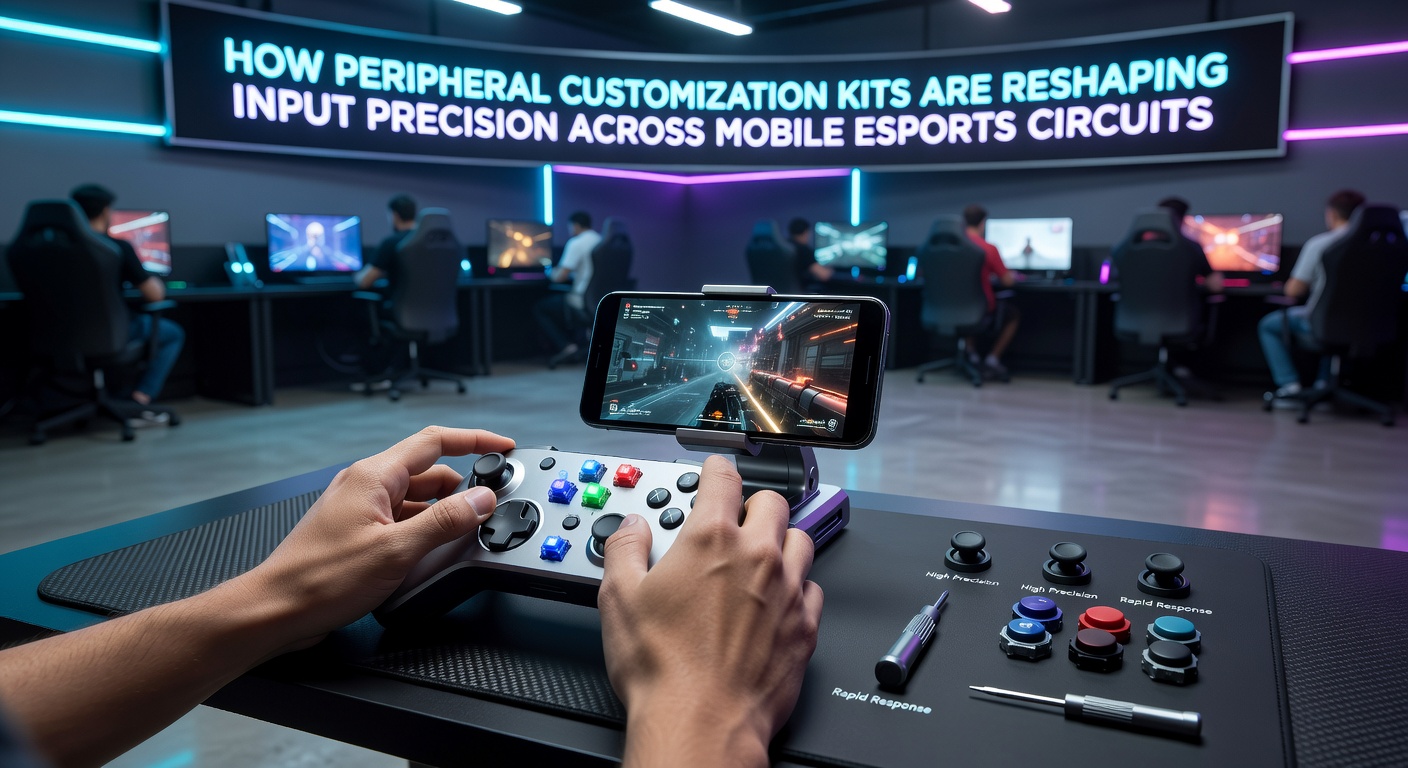
Mobile esports circuits have expanded rapidly in recent years, and peripheral customization kits now play a central role in refining how competitors interact with touch-based interfaces. These kits typically include modular triggers, adjustable grips, button overlays, and sometimes software calibration tools that attach directly to smartphones or tablets. Data from the Asian Esports Federation shows participation in major mobile titles grew by 34 percent between 2024 and 2025, while tournament organizers report increasing numbers of players arriving with customized setups rather than stock devices.
Core Components Driving Precision Gains
Customization kits address the fundamental limitations of capacitive touchscreens by introducing physical controls that reduce finger occlusion and allow simultaneous inputs. Hall-effect sensors in newer trigger modules detect pressure with sub-millisecond accuracy, and many kits integrate magnetic mounts that maintain consistent alignment even during rapid device movements. Observers note that players using these systems achieve tighter control over aiming reticles in battle royale titles, where small adjustments separate top placements from mid-tier finishes.
Software layers bundled with hardware kits often map touch zones dynamically, letting competitors remap abilities without lifting fingers from the screen. Research conducted at the University of Melbourne in early 2026 documented average reaction time improvements of 12 to 18 milliseconds among users who calibrated their kits before matches, and those gains proved consistent across both Android and iOS platforms when tested under tournament conditions.
Tournament Adoption Patterns Through Mid-2026
By May 2026 several regional circuits had updated their equipment verification protocols to accommodate peripheral kits while maintaining fairness standards. Organizers in Southeast Asia began requiring serial-number registration for approved modules, and European events followed similar guidelines shortly afterward. The shift created new categories for hardware inspection that focus on latency verification rather than outright prohibition of external devices.
Professional teams now allocate dedicated staff to optimize kits between rounds, adjusting spring tension on triggers or swapping grip textures based on individual player feedback. This level of specialization mirrors practices long established in PC esports yet remains distinctive because mobile hardware must remain portable and tournament-legal across multiple venues.
Performance Metrics Across Different Titles
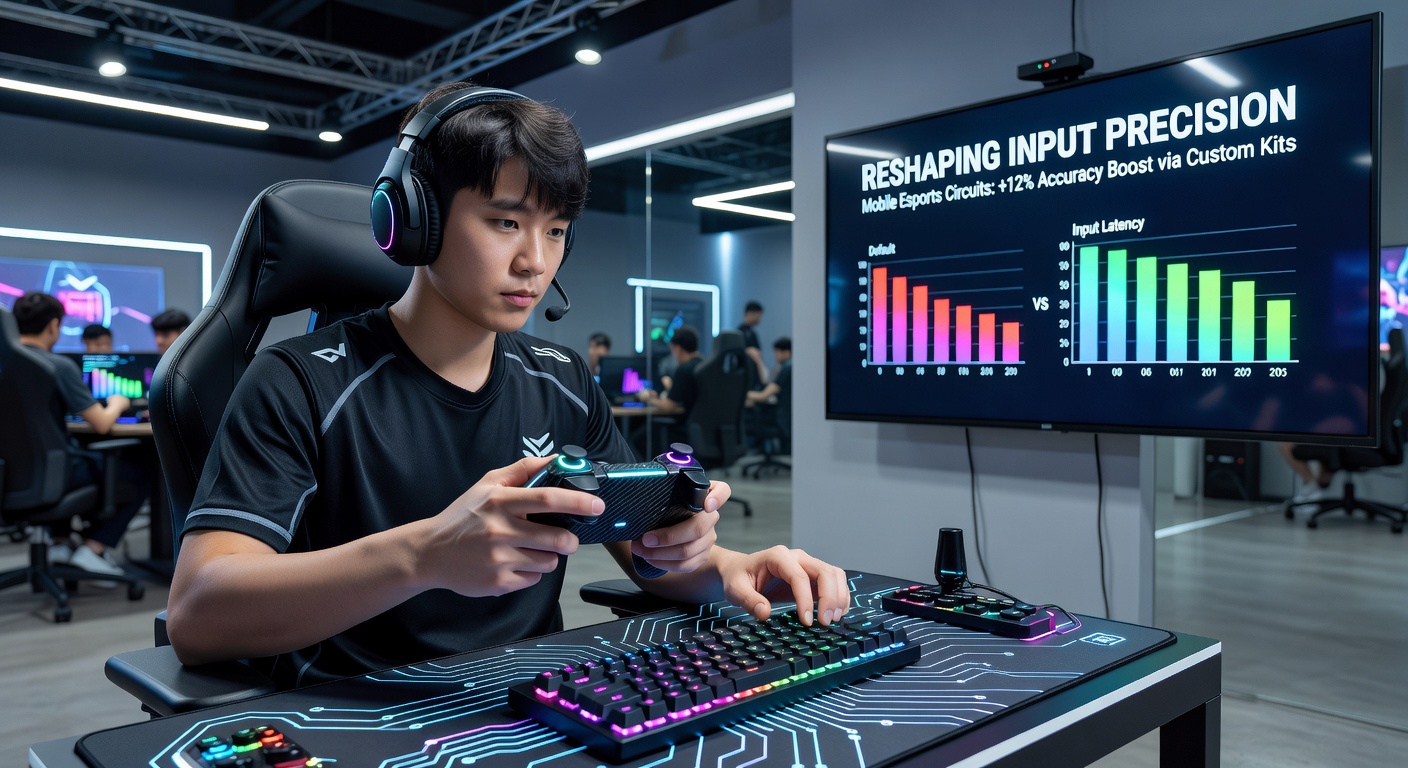
Precision improvements manifest differently depending on game mechanics. In real-time strategy mobiles, external buttons allow quicker unit selection and ability queuing, whereas in first-person shooters the same hardware supports micro-adjustments during recoil control. Figures released by the Global Mobile Esports Analytics Group in April 2026 indicated that finalists in the largest Asian tournaments averaged 27 percent higher accuracy scores when using calibrated kits compared with baseline touch input during the same events one year prior.
Cross-platform events that include both mobile and console competitors have begun tracking input method as a variable in post-match analysis, revealing that kit-equipped mobile players close the gap on console aim assist systems in head-to-head scenarios. These patterns emerge most clearly in mixed-region qualifiers where standardized hardware rules apply.
Supply Chain and Accessibility Developments
Manufacturers have responded to rising demand by producing region-specific kit variants that account for popular device models in each market. Third-party vendors now offer modular expansion packs that let players upgrade individual components without replacing entire assemblies. Supply data compiled by the Canadian Interactive Digital Entertainment Board shows kit shipments to tournament hubs increased 41 percent year-over-year through the first quarter of 2026.
Training academies have incorporated kit familiarization into their curricula, teaching younger competitors how to diagnose calibration drift and perform field adjustments during long events. This educational layer accelerates adoption rates and reduces the learning curve that once separated casual participants from those competing at circuit level.
Conclusion
Peripheral customization kits continue to influence input precision standards across mobile esports by providing measurable hardware and software advantages that integrate into existing tournament frameworks. As circuits refine verification processes and manufacturers iterate on sensor technology, the gap between baseline touch performance and optimized setups narrows only when players apply consistent calibration practices. The developments observed through May 2026 indicate sustained integration of these tools rather than any reversal of the trend.