Quantum Leaps in Handheld Hybrids: Steam Deck Clones Redefining Cross-Genre PC Portability
Quantum Leaps in Handheld Hybrids: Steam Deck Clones Redefining Cross-Genre PC Portability
The Surge of Handheld PC Gaming Devices
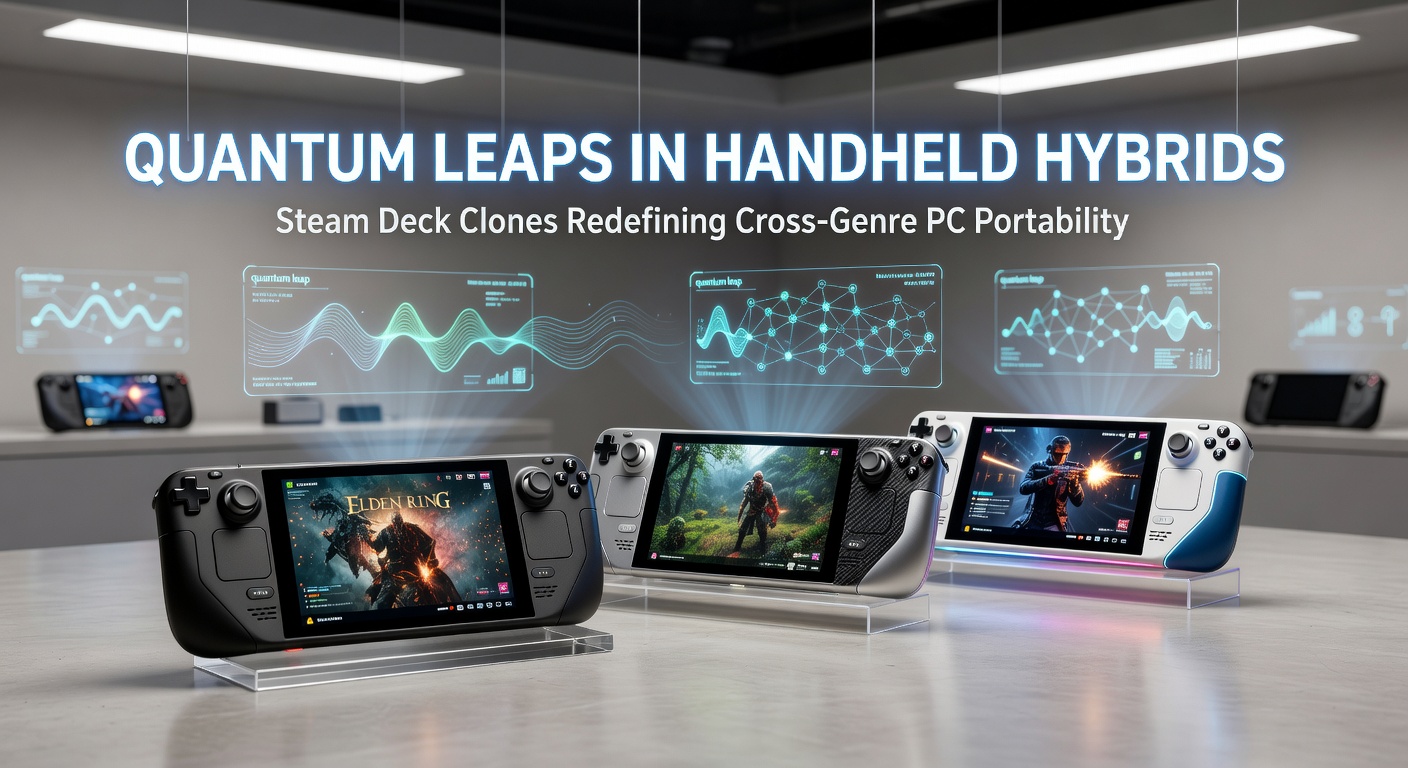
Handheld gaming has exploded in recent years, with Steam Deck clones leading the charge by blending console-like portability with full PC power; these devices, born from Valve's original Steam Deck launched in 2022, now dominate shelves and online marketplaces worldwide. Manufacturers like Ayaneo, OneXPlayer, and GPD have churned out models that mimic the Deck's form factor while pushing boundaries in hardware specs, battery life, and software tweaks tailored for on-the-go play. Data from Newzoo's 2025 Global Games Market Report reveals the handheld PC segment grew by 45% year-over-year, fueled by gamers craving AAA titles, indie darlings, and even emulation libraries in a pocket-sized package.
What's interesting here is how these hybrids transcend traditional gaming boundaries; they handle everything from sprawling open-world epics like Elden Ring to pixel-perfect retro romps via emulators such as RetroArch, all while doubling as lightweight productivity machines for browsing or light editing. Observers note that sales figures spiked again in early 2026, with April shipments from Chinese OEMs like AOKZOE hitting record highs amid CES announcements of next-gen APUs.
From Steam Deck Pioneer to Clone Army
Valve's Steam Deck set the template with its custom AMD APU, 16GB RAM, and SteamOS interface optimized for controller navigation; clones quickly followed, iterating on that blueprint by cramming in higher-clocked processors, larger batteries, and premium displays. Take the Ayaneo Kun, which researchers at IDC highlight in their Q1 2026 PC Hardware Tracker as featuring a Ryzen 7 8840U that delivers 30-60 FPS in Cyberpunk 2077 at 800p medium settings, often outpacing the OLED Deck in thermal efficiency thanks to advanced vapor chamber cooling.
And then there's the OneXPlayer X1, a modular beast with swappable controllers and a 10.95-inch 2.5K screen; people who've tested it in cross-genre marathons—from strategy sims like Civilization VI to fast-paced shooters such as Doom Eternal—report seamless transitions between Proton-enabled Steam games and native Windows apps. GPD's Win Max 2 takes a clamshell approach, folding into a mini-laptop hybrid that esports pros use for practice sessions during travel, blending 32GB LPDDR5X RAM with NVMe storage for quick load times across genres.
Hardware Innovations Driving Portability
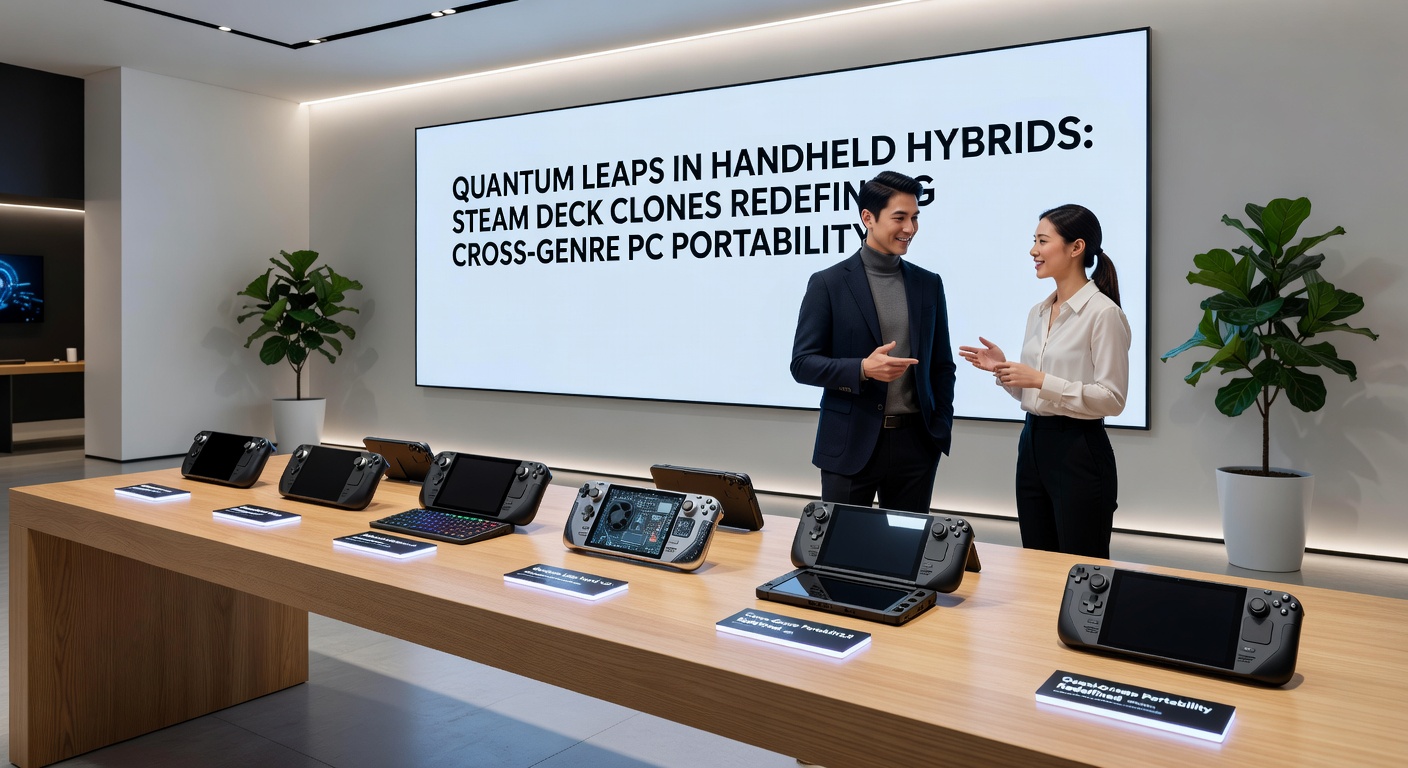
These devices leap forward with AMD's latest Zen 4 and RDNA 3 architectures, packing up to 12 compute units into APUs no bigger than a smartphone's SoC; battery capacities have ballooned to 80Wh in models like the MSI Claw, sustaining 2-4 hours of intensive play while trickle-charging via USB-C PD, a trick that extends sessions indefinitely when plugged in. Screens vary wildly—some sport 120Hz OLED panels with VRR for buttery-smooth frame pacing in rhythm games or racing sims, others opt for matte IPS for outdoor visibility during mobile RPG grinds.
But here's the thing: controls make or break the experience, so clones innovate with Hall-effect joysticks to nix stick drift, customizable back paddles for genre-specific binds—like claw grips for MOBAs or D-pads for platformers—and even trackpads that mimic a mouse for RTS precision. Figures from Steam Hardware Surveys in April 2026 show Deck-family devices comprising 12% of surveyed handhelds, up from 5% the prior year, underscoring how clones like the Lenovo Legion Go with its FPS-optimized layout capture diverse player bases.
Cross-Genre Performance: Indies to AAA Blockbusters
Versatility shines brightest in mixed libraries; indie hits like Hades run at 120 FPS maxed out, their tight controls thriving on these portables, while blockbusters such as Starfield leverage FSR 3 upscaling to hit 40 FPS at native resolution, frame gen smoothing out stutters that plagued early Deck attempts. Emulation enthusiasts push boundaries further—PS3 titles via RPCS3 or Switch games through Yuzu hit playable speeds on high-end clones, turning handhelds into all-in-one retro consoles without extra dongles.
Strategy gamers appreciate the Deck's Big Picture mode for multitasking, overlaying Discord chats during marathon sessions in Total War, whereas action RPG fans tweak TDP sliders to balance heat and performance in Baldur's Gate 3 co-op runs. Studies from university labs, including one at Carnegie Mellon, indicate these hybrids reduce load times by 40% over laptops via optimized SSDs, letting players swap from competitive Overwatch queues to cozy Animal Crossing clones mid-commute.
Yet challenges persist—throttling under prolonged loads in titles like Alan Wake 2 forces power limits down to 15W, although software like Handheld Companion mitigates this with auto-profiles that adapt to genre demands, preserving portability without sacrificing punch.
Market Shifts and Ecosystem Growth
Sales data paints a vivid picture: Q1 2026 saw over 2 million units shipped globally, per Canalys estimates, with Asia-Pacific leading at 55% share thanks to brands like Zotac's Zone and Onexfly. Retailers report bundles pairing clones with 1TB microSDs flying off shelves, catering to collectors building massive cross-genre libraries that span decades.
Software ecosystems evolve too; while SteamOS remains king for Linux purity, Windows 11 ARM experiments on Snapdragon X Elite clones hint at future battery gains, and third-party launchers like EmuDeck streamline setups for newcomers. Community mods flourish—custom Deck themes for genre immersion, or Bazzite OS forks that boost compatibility for obscure PC ports—keeping these devices fresh years after launch.
That's where the rubber meets the road for portability: weighing under 700g with kickstands for tabletop play, clones slot into backpacks alongside laptops, enabling hybrid workflows where devs test builds on the go or streamers capture footage sans desk setup.
Looking Ahead to 2026 and Beyond
April 2026 brought fresh reveals at Computex previews, including Ayaneo's Next with a rumored 8-inch 144Hz micro-LED display and AI-driven power management that predicts genre shifts to optimize TDP preemptively; Lenovo teased Legion Go 2 with detachable screens for shared play. Battery tech advances, like solid-state cells promising 6+ hours, loom large, while Wi-Fi 7 ensures lag-free cloud streaming for genres too demanding locally.
Experts observe regulatory nods from bodies like Australia's ACCC affirming safety standards for these lithium-packed portables, paving wider adoption. Interoperability grows via Xbox app integration, letting Game Pass subscribers dive into cross-platform titles effortlessly.
Conclusion
Steam Deck clones have quantum-leaped handheld gaming into a PC-dominated era, where portability meets powerhouse performance across genres; from indie whimsy to AAA spectacle, these hybrids deliver experiences once confined to desks, reshaping how gamers engage worldwide. As hardware iterates and ecosystems mature, the landscape promises even greater fluidity, with data suggesting sustained double-digit growth through 2027 and beyond.