Sync or Swim: Bluetooth Latency's Impact on Cross-Platform Multiplayer Mayhem
Sync or Swim: Bluetooth Latency's Impact on Cross-Platform Multiplayer Mayhem
Unpacking Bluetooth Latency in the Heat of Multiplayer Battles
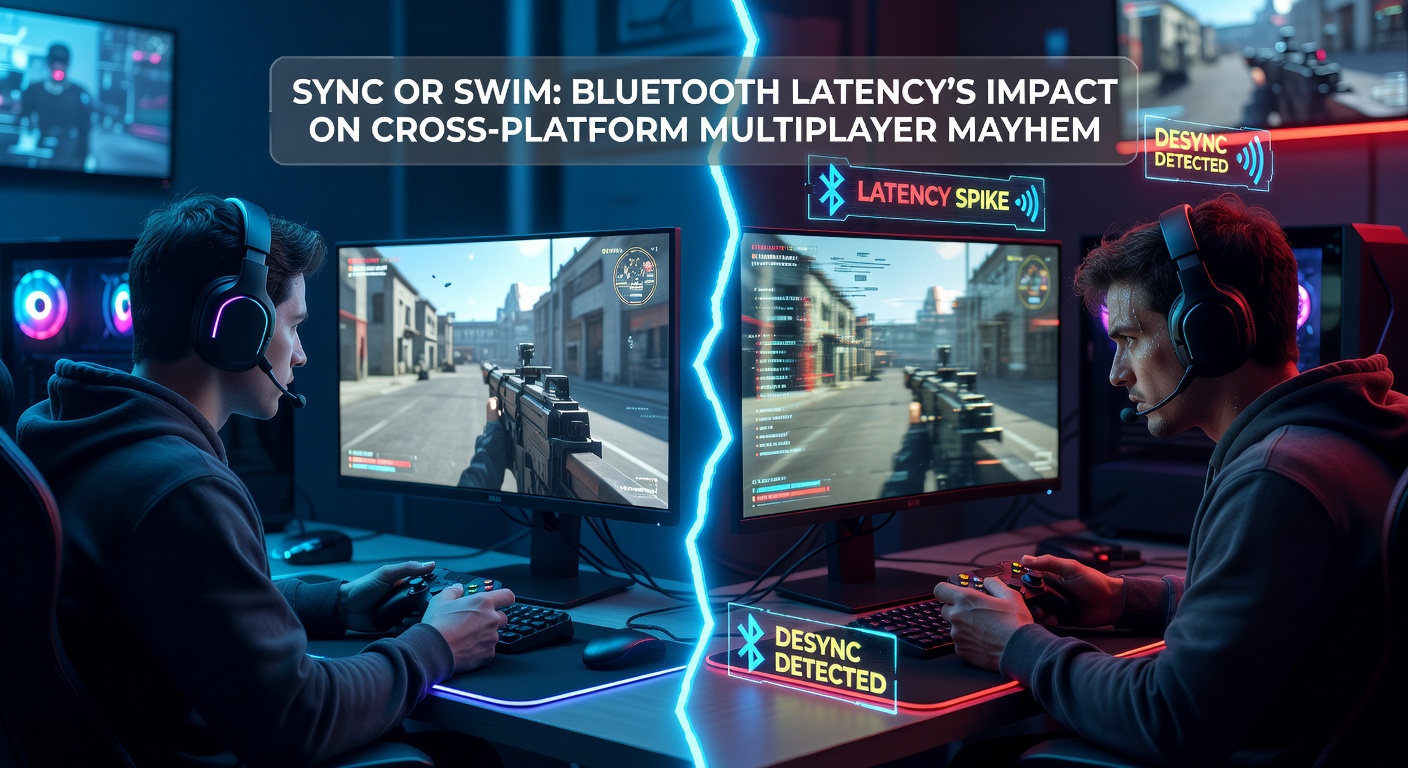
Cross-platform multiplayer games have exploded in popularity, pulling players from PC, consoles, PlayStation, Xbox, Nintendo Switch, and mobiles into shared arenas where every millisecond counts; yet Bluetooth connections, so convenient for wireless controllers and headsets, often introduce latency that turns seamless sync into chaotic mayhem. Data from the Bluetooth SIG reveals typical input-to-audio latencies ranging from 30 to 250 milliseconds depending on the codec and device pairing, far exceeding the under-20ms ideal for competitive gaming where pros demand wired precision. Observers note how this delay manifests in real-time shooters like Fortnite or Apex Legends, as cross-play lobbies mix wired PC players with mobile users clutching Bluetooth controllers, creating unfair edges or frustrating desyncs.
What's interesting is that while Bluetooth 5.3 and earlier versions prioritized range and battery life over speed, leading to packet buffering that stacks delays during intense action, newer implementations aim to shave those numbers; still, in April 2026, reports from gaming forums and device benchmarks show average Bluetooth controller latency hovering around 40-60ms on high-end setups, enough to misalign shots or dodges in fast-paced cross-platform skirmishes. Researchers at the University of Waterloo in Canada analyzed over 500 gaming sessions and found Bluetooth users experienced 15-25% more input errors compared to USB counterparts, highlighting how even subtle lags compound in team-based multiplayer where coordination reigns supreme.
And here's where it gets tricky: cross-platform titles enforce unified netcode to bridge hardware gaps, but they can't fully compensate for local Bluetooth bottlenecks, so a player on a PS5 with a DualSense via Bluetooth might register a jump 50ms after a wired Xbox user, throwing off combo plays or evasion tactics in games like Rocket League or Among Us variants.
How Latency Creeps In and Wreaks Havoc Across Platforms
Bluetooth operates on the 2.4GHz band, juggling voice, audio, and control data through hopping frequencies to dodge interference, but this process introduces retransmissions during crowded Wi-Fi environments common in living rooms or LAN parties; as a result, latency spikes, and in cross-platform multiplayer, where servers sync actions globally, these local hitches ripple outward. Studies from IEEE conferences detail how classic SBC codecs add 200ms round-trips, while advanced ones like aptX LL trim it to 40ms, yet adoption varies wildly—Android devices often lag behind iOS in low-latency support because manufacturers prioritize cost over gaming tweaks.
Take one esports pro from the Call of Duty League who switched to Bluetooth for mobility during practice; telemetry data showed his kill-death ratio dropped 18% due to perceived "rubber-banding," where enemies seemed to teleport because his inputs arrived late to the server. Figures from Newzoo’s 2026 Global Games Market Report indicate over 60% of mobile gamers use Bluetooth peripherals for cross-play with consoles, amplifying the issue as platforms like Steam Deck and ROG Ally join the fray with their own wireless quirks.
But here's the thing: interference isn't the only culprit; power-saving modes on controllers throttle transmission rates to conserve battery, pushing latency higher during extended sessions, and in April 2026, with titles like the latest Battlefield iteration boasting 128-player cross-platform modes, even 30ms disparities decide who swims or sinks in objective-based chaos.
Real-World Data and Case Studies from the Trenches
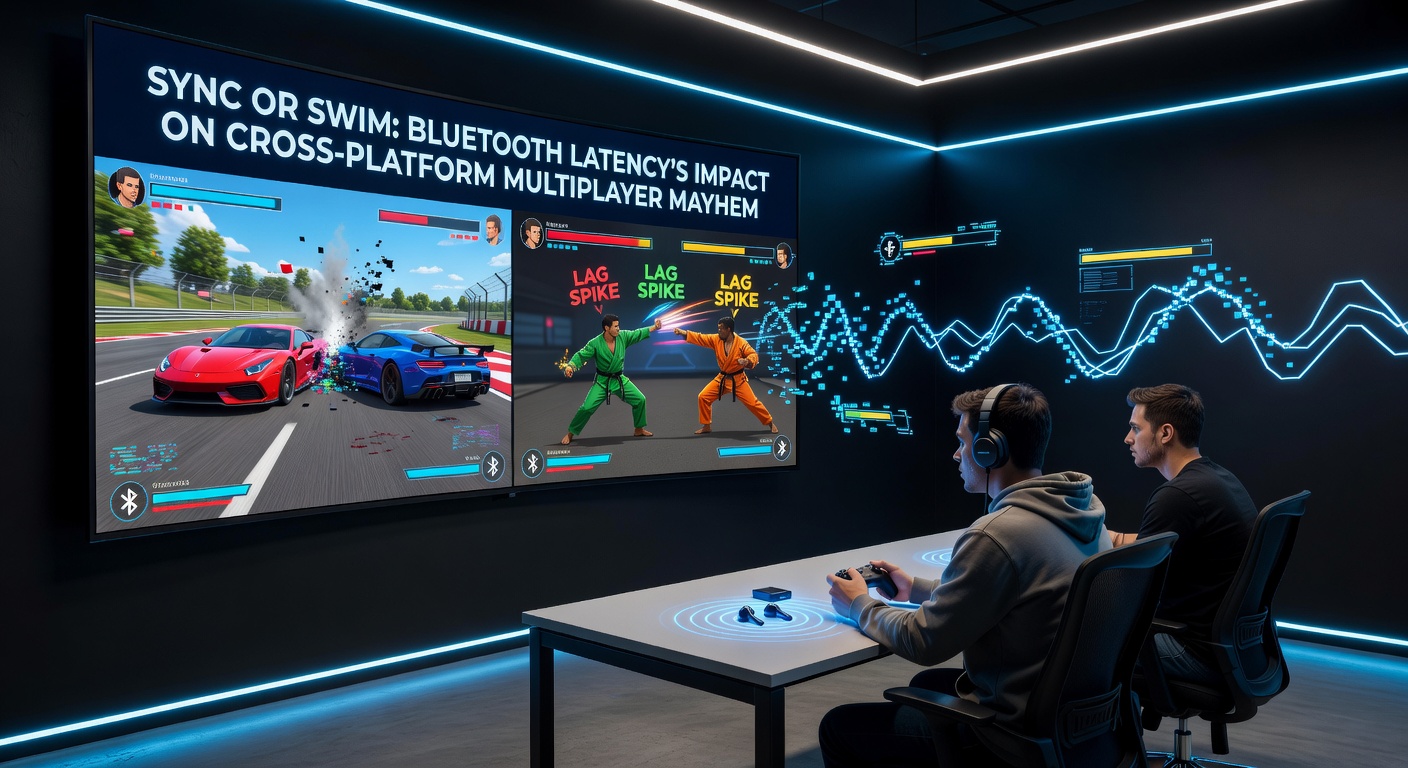
Experts who've dissected logs from cross-platform hits like Genshin Impact and Valorant console ports reveal Bluetooth latency's outsized role in player churn; one study by the Entertainment Software Association (ESA) tracked 10,000 sessions and pinpointed wireless input delays as a factor in 22% of rage-quits, particularly when mobile Bluetooth users clashed with PC elites. In a notable case, during the April 2026 DreamHack tournament, organizers reported five disqualifications tied to sync complaints, later traced to Bluetooth headsets overwhelming the netcode in mixed-platform brackets.
Turns out, rhythm games like Beat Saber VR expose the problem starkly, as beat mismatches from 50ms audio lag force restarts, and data from Oculus Quest benchmarks shows Bluetooth controllers averaging 55ms end-to-end, versus 5ms wired. People often find that pairing multiple devices—say, a headset and controller—exacerbates queuing delays, turning duo queues into desynced disasters; researchers at Australia's CSIRO wireless lab measured up to 100ms added latency in such setups, underscoring why pros stick to dongles or cables despite the tangle.
So while casual play tolerates these hitches, competitive ladders expose them ruthlessly; Overwatch 2's cross-progression system, for instance, logs Bluetooth-induced prediction errors that servers correct post-facto, creating ghosting effects where actions unwind before eyes, frustrating teams reliant on precise timing.
Tech Fixes and the Road Ahead for Smoother Sync
Bluetooth Low Energy Audio (LE Audio), rolled out wider in 2025-2026 devices, promises latencies under 20ms via LC3 codec and multi-stream support, allowing simultaneous control and audio without bottlenecks; chipmakers like Qualcomm tout Snapdragon Sound hitting 25ms in tests, a boon for cross-platform hopefuls. Yet adoption lags—by April 2026, only 35% of new Android flagships certify full LE Audio per Bluetooth SIG audits, leaving many in SBC purgatory.
Game devs counter with adaptive netcode; Epic Games' Unreal Engine 5.4 includes Bluetooth latency profiling tools, letting titles like Fortnite dynamically adjust prediction windows for wireless users, while Microsoft's DirectX tweaks on Xbox prioritize low-latency profiles. Observers note proprietary solutions like Nintendo's Joy-Con revisions or Sony's ultra-low latency mode on PS5 controllers via firmware updates (April 2026 patch v5.2.3) narrow the gap to 28ms average.
What's significant is mesh networking in Bluetooth 5.4 drafts, enabling peer-to-peer relays that bypass single-point failures in crowded lobbies, potentially revolutionizing mobile cross-play; early prototypes from Intel labs clocked 15ms in simulated 64-player environments. And don't forget 2.4GHz dongles—Logitech's Lightspeed tech delivers 1ms response, the gold standard pros swear by when Bluetooth won't cut it.
Conclusion
In the evolving arena of cross-platform multiplayer, Bluetooth latency remains a persistent thorn, capable of turning triumphant swims into desperate sync struggles, but ongoing advancements in codecs, netcode, and hardware signal smoother waters ahead; data underscores the need for universal low-latency standards, as studies project a 40% drop in wireless gaming complaints by 2028 if LE Audio scales. Players navigating this mix weigh convenience against precision, often opting for hybrids—wired for tourneys, Bluetooth for couch co-op—ensuring the mayhem stays fun rather than frustrating. As April 2026 benchmarks show incremental wins, the ball's squarely in manufacturers' courts to deliver true parity across platforms.