Voice Commands Transforming Tactical Choices in Multiplayer Strategy Games on Hybrid Platforms
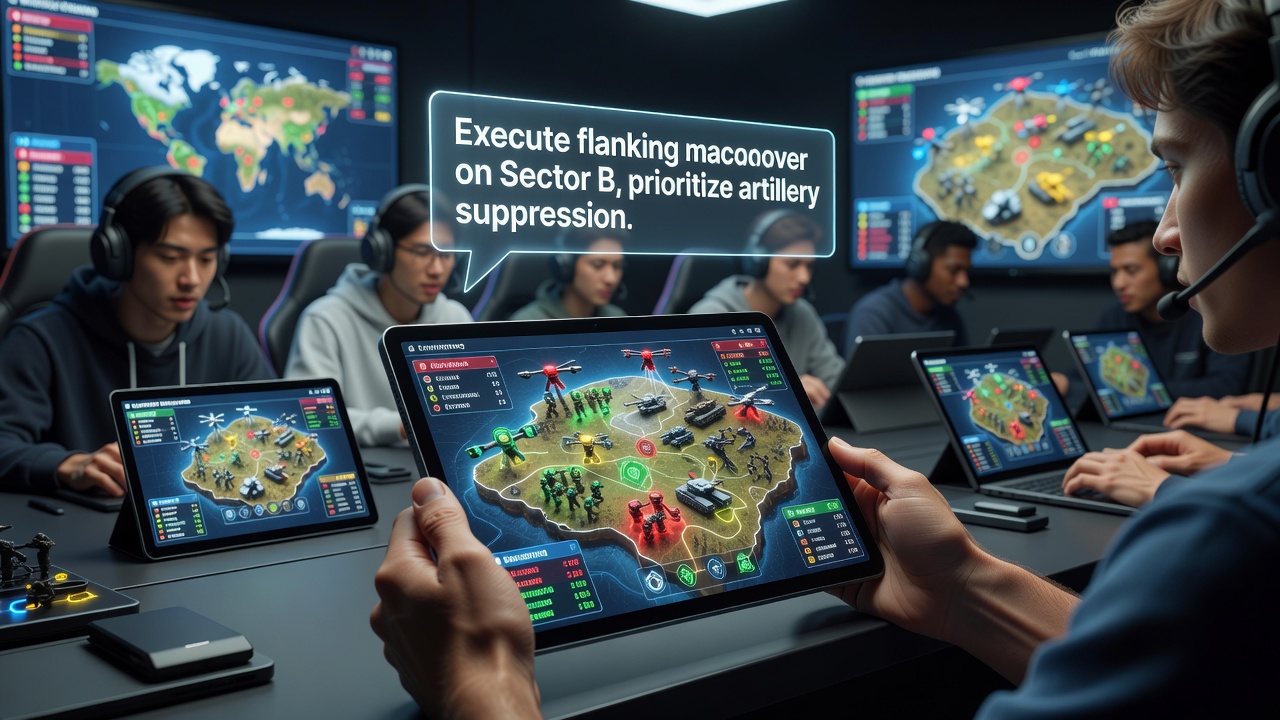
Voice command systems have entered multiplayer strategy titles on hybrid devices, allowing players to issue orders without pausing their physical inputs on controllers or touchscreens, and this integration has shifted how teams coordinate in real time. Hybrid platforms such as portable PCs and foldable tablets combine the power of traditional computing with mobile flexibility, so developers have adapted speech recognition engines to handle complex tactical phrases while the device processes graphics and network data simultaneously.
Studies from the Entertainment Software Association indicate that adoption rates for voice-enabled strategy features climbed steadily through 2025, with several major titles pushing updates that refined natural language processing for in-game commands. These changes let squads call out unit movements or resource allocations faster than typed chat or radial menus permit, especially during intense late-game phases where every second matters.
Integration Mechanics on Hybrid Hardware
Hybrid devices run voice processing through dedicated neural processing units that operate alongside the main GPU, which keeps latency low even when the system handles simultaneous rendering and online matchmaking. Developers optimize microphone arrays on these machines to filter background noise from fans or ambient environments, so commands register clearly during tournament play or casual sessions alike. Data collected in 2025 tournaments showed average command recognition accuracy exceeding 92 percent across tested hardware configurations.
Game engines now map spoken directives directly to existing hotkey systems, which means players retain full manual control while adding an extra layer of input that does not require finger movements away from joysticks or touch surfaces. One Australian research group at the University of Melbourne tracked how hybrid users switched between voice and touch inputs during matches, and their findings revealed smoother decision cycles when voice handled macro-level orders while touch managed micro adjustments.
Effects on Team Coordination and Timing
Multiplayer strategy games rely on rapid information exchange, and voice commands reduce the cognitive load of switching between typing and gameplay actions. Teams using these features report tighter synchronization because spoken calls reach all members instantly through integrated voice channels that double as command triggers. In July 2026 several professional circuits introduced rules allowing voice macros in official matches, which further standardized their use across regions.
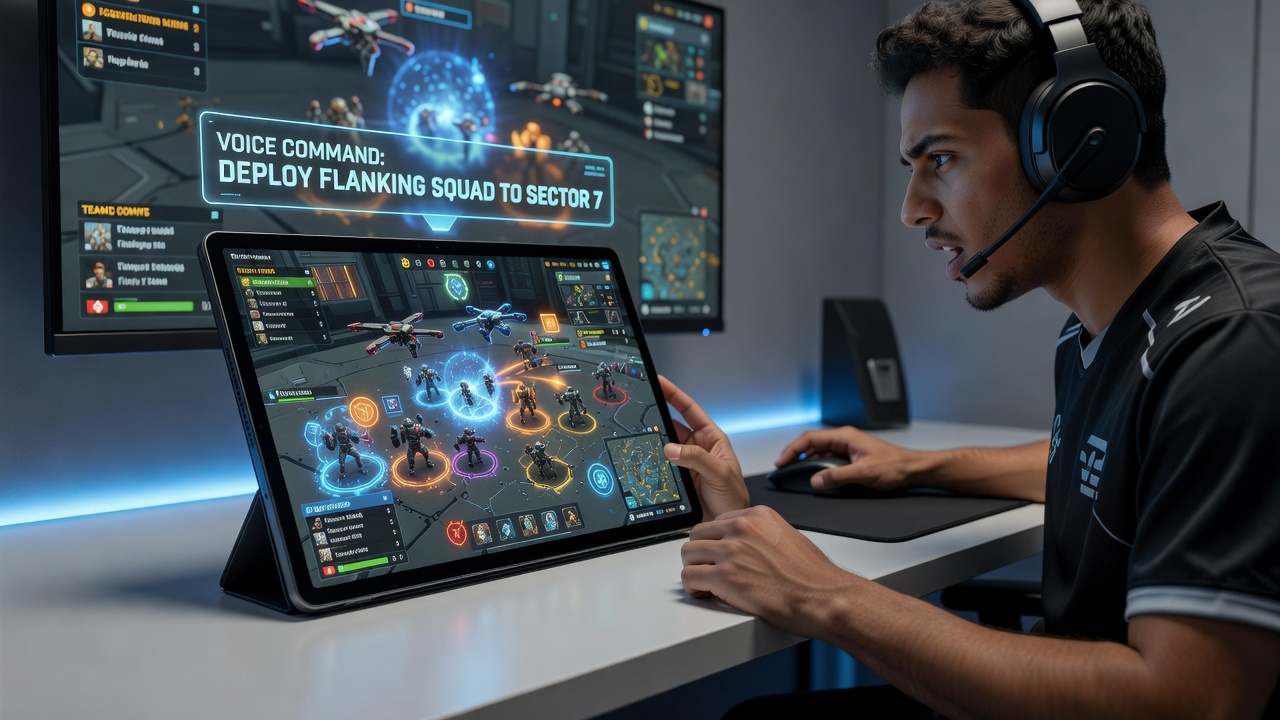
Observers note that decision trees in these titles have grown more elaborate because players can chain multiple instructions in single phrases, such as ordering a flanking maneuver while simultaneously requesting support units. The result appears in match statistics where average reaction times to dynamic battlefield changes have shortened measurably since voice features became standard. Researchers continue to examine how these tools influence overall match pacing and player fatigue across extended series.
Current Titles and Feature Rollouts
Several established franchises added voice layers to their hybrid ports during the first half of 2026, focusing on languages beyond English to broaden accessibility. These updates included context-aware parsing so the same phrase adapts based on selected units or current map state, reducing misfires during chaotic moments. Community forums document specific command sets that competitive groups share and refine, creating meta layers that evolve with each patch cycle.
Portable esports events scheduled through late 2026 now include dedicated voice calibration stations so participants can train recognition models on their personal devices before matches begin. This preparation step ensures consistency across different hardware models while maintaining fairness in cross-platform brackets.
Conclusion
Voice command adoption continues to expand within the strategy genre on hybrid platforms, supported by hardware improvements and ongoing engine refinements. As developers release further updates and tournaments standardize their usage, the tactical landscape keeps shifting toward faster, more fluid team interactions that blend spoken and manual inputs seamlessly.