When Wearables Meet Touchscreens: The Synchronization of Biometric Data with In-Game Decisions Across Portable Platforms
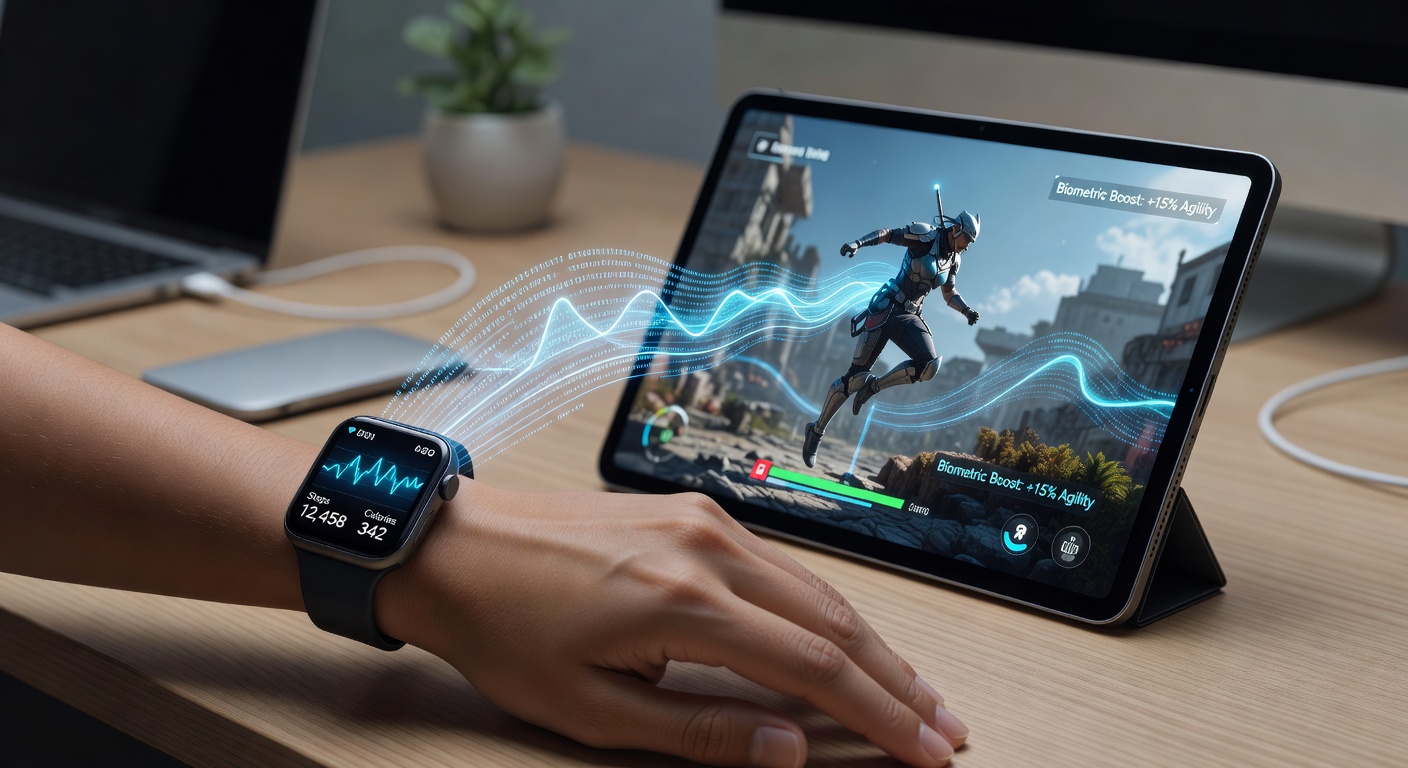
Portable gaming platforms have seen steady integration of biometric inputs from wearables since the mid-2020s, and data from device manufacturers shows that heart rate, skin conductance, and movement patterns now feed directly into touchscreen-based decision systems on smartphones and tablets. Researchers at the University of Melbourne documented this shift in a 2025 report, noting that synchronization protocols allow real-time adjustments to gameplay mechanics such as resource allocation, character responses, and difficulty scaling without requiring separate controllers.
Systems operate through secure Bluetooth and Wi-Fi connections that pair wearables with portable devices running iOS or Android operating systems, and developers implement application programming interfaces that translate biometric readings into in-game variables. For instance, elevated heart rates detected during tense sequences can trigger automatic camera zooms or limited-time power boosts, while steadier readings unlock precision aiming modes on touch interfaces. Observers note that these linkages reduce the need for constant manual inputs, which proves useful during extended sessions on smaller screens where thumb fatigue becomes a factor.
How Biometric Synchronization Functions in Practice
Portable platforms rely on standardized data formats that convert raw sensor outputs into game engine parameters, and testing conducted by hardware firms in early 2026 demonstrated latency under 50 milliseconds across multiple device pairings. Take one developer team that integrated optical heart rate sensors from wrist-worn devices with puzzle games where calmer biometric states reveal hidden pathways on the touchscreen map, whereas heightened arousal levels narrow options to encourage quicker choices. Studies from the National Research Council Canada confirm that such mappings maintain accuracy even when users switch between portrait and landscape orientations during play.
Touchscreen gestures combine with biometric overlays through layered input recognition, so a swipe combined with a detected stress spike might execute a defensive maneuver instead of an offensive one. Data indicates that games built on Unity and Unreal Engine frameworks support these features natively by mid-2026, allowing cross-device continuity when players move from a phone to a tablet mid-session. What's interesting is how calibration routines adjust baselines for individual users after just a few minutes of initial play, which prevents misreads from daily variations in resting heart rates.
Current Developments Across Devices in 2026
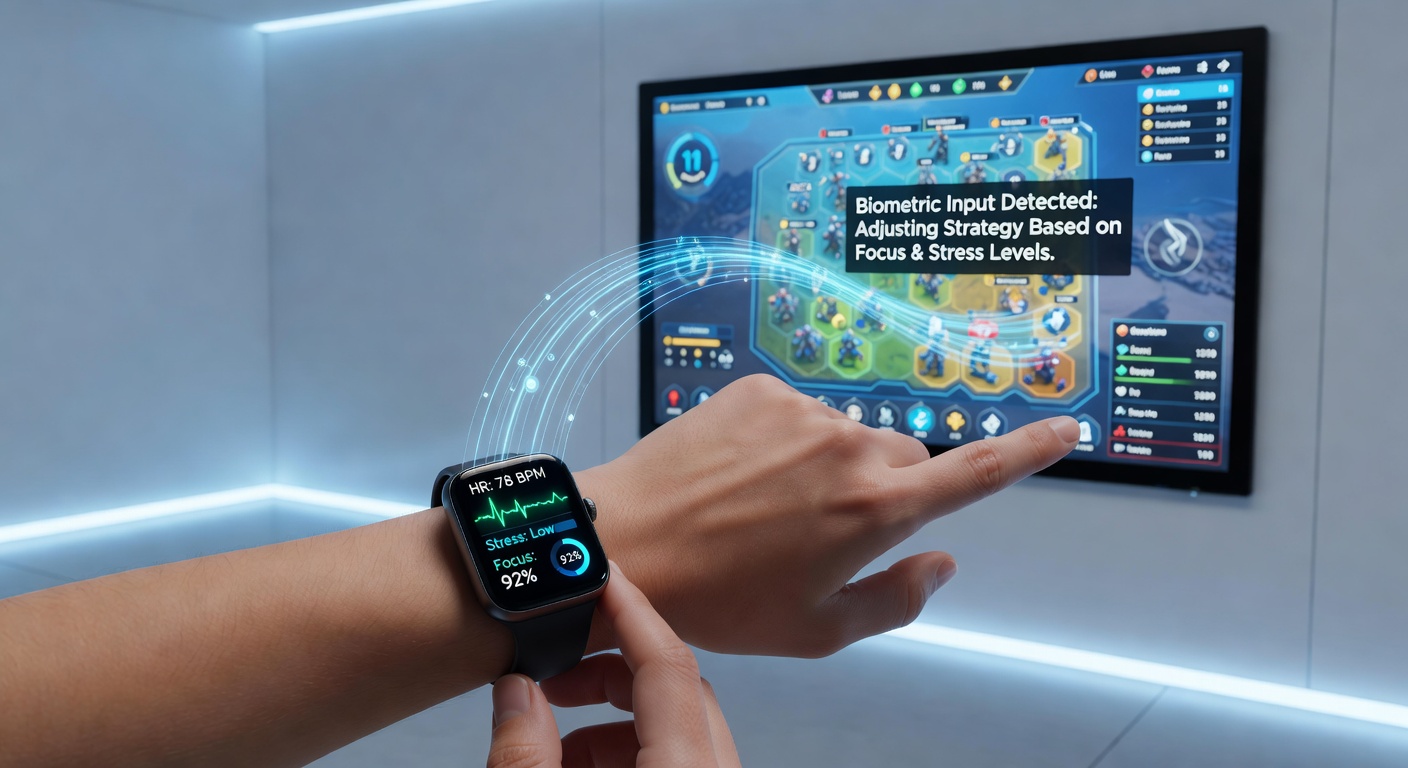
By May 2026, several major titles on portable platforms had rolled out updates that tie wearable data to narrative branches, and industry figures reveal that adoption rates climbed 18 percent year-over-year according to tracking from the Interactive Games and Entertainment Association. Games in the strategy and role-playing genres lead this trend because biometric inputs allow dynamic event triggers that respond to player physiology rather than fixed timers alone. One case involved an open-world mobile title where sustained low stress levels during exploration sequences granted access to cooperative multiplayer lobbies directly from the touchscreen menu.
Security protocols encrypt biometric streams end-to-end before they reach game servers, which addresses privacy requirements set by regulatory bodies in multiple regions. Developers also incorporate opt-in toggles that let users disable synchronization during competitive matches, preserving fairness when leaderboards factor in performance metrics. Those who've examined the underlying code note that fallback systems revert to standard touch controls if wearable connections drop, ensuring uninterrupted sessions on trains, planes, or other mobile environments.
Technical Challenges and Platform Adaptations
Battery drain remains a measurable concern when continuous biometric polling occurs alongside high-frame-rate graphics on portable hardware, yet optimizations released in firmware updates during spring 2026 cut average consumption by 12 percent on leading chipsets. Touchscreen calibration routines now account for varying grip pressures that accompany different biometric states, so sweaty palms detected via galvanic skin response sensors prompt interface scaling that enlarges tap targets automatically. Research indicates these adjustments improve accuracy rates for players across age groups who use the same device for both casual and intense sessions.
Cross-platform synchronization extends to hybrid devices that combine phone and tablet form factors, allowing seamless handoff of biometric profiles when users dock or undock accessories. Data from European hardware tests shows that foldable screens maintain consistent input mapping even as display sizes change mid-game, with wearables continuing to influence decision trees without requiring re-pairing. And yet compatibility gaps persist on older portable models, which prompts developers to publish minimum sensor requirement lists ahead of major launches.
Conclusion
The synchronization of biometric data from wearables with touchscreen decisions on portable platforms continues to expand through standardized protocols and iterative hardware refinements. Evidence from multiple studies points to measurable impacts on player engagement metrics and session lengths, while ongoing work by research institutions addresses remaining hurdles around power efficiency and data privacy. As of May 2026, these integrations represent a practical evolution in how portable gaming incorporates physiological inputs without altering core touch-based interaction models.